
This Honda engine remains a crucial part of its production strategy.
The Honda K series engine is arguably the most renowned drivetrain in the Japanese automotive community, and for good reason. Honda's compact four-cylinder engine has consistently managed to balance performance, reliability, and efficiency, making it a popular option among many enthusiasts, especially those in the tuning world. Beyond its street appeal, Honda prioritizes this engine for multiple applications across its ICE and HEV lines.
Available Models
Most brands have committed to phasing the ICE out in favor of electrification, but Honda remains committed to its gasoline-driven powertrains, with the K-Series being the star of its future strategy. It's a well-rounded and balanced configuration that the Japanese brand has built with longevity in mind, which is why it's still going strong after almost 25 years.
How The K-Series Came To Be
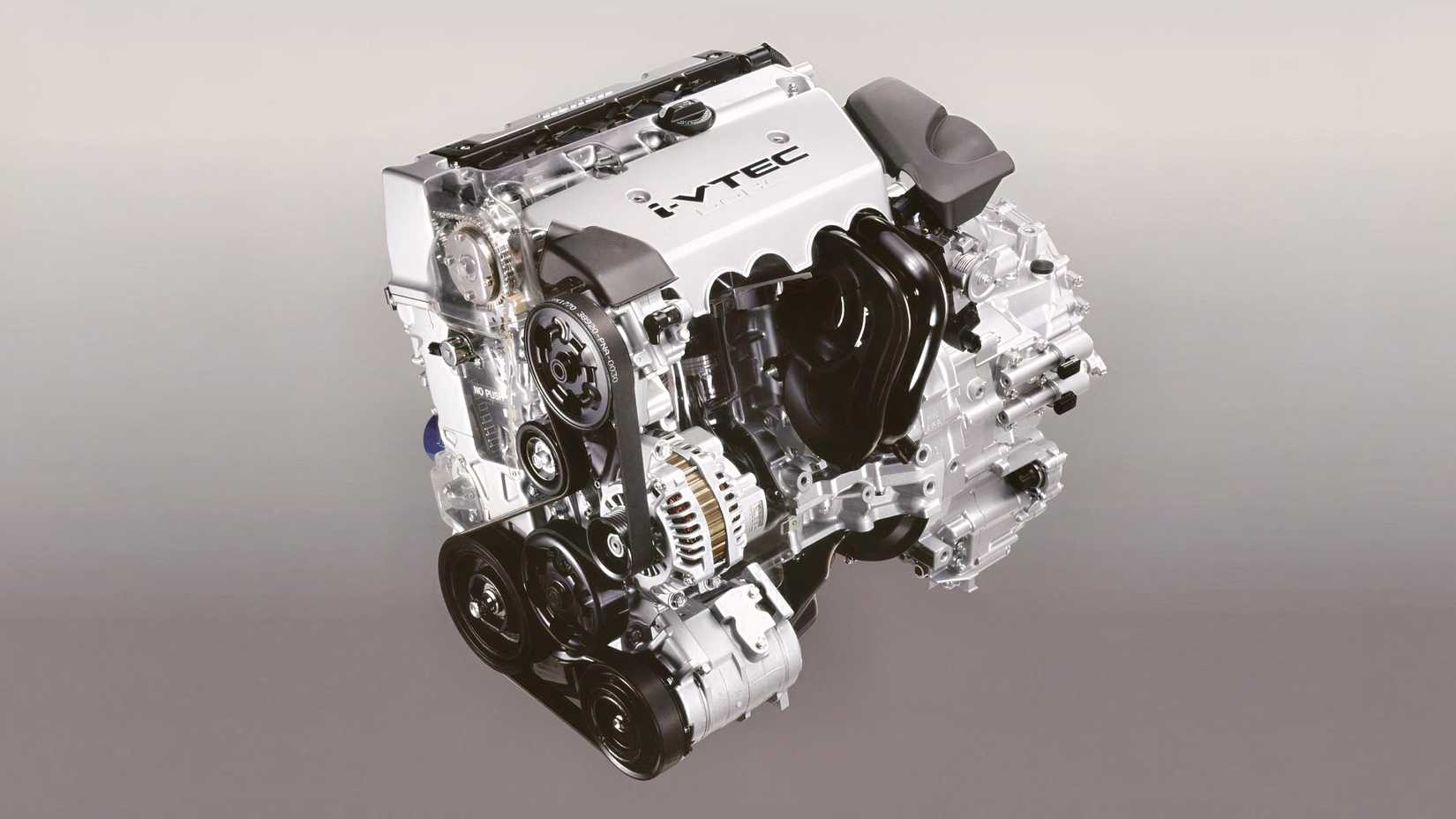
Honda created the first-generation K series engine in 2001 as an official replacement for the aging but highly successful B and H series families in a bid to meet tighter emissions rules while increasing thermal efficiency and real-world flexibility. Honda engineers focused on a clean sheet aluminum block with a deep skirt layout that increased rigidity and supported higher operating speeds without unwanted vibration. They also applied a forged crankshaft and lightweight pistons to cut reciprocating mass and improve throttle response.
Replacing the old belt-driven system is a modern chain-driven dual overhead camshaft setup that allows for a more accurate timing control under high load conditions. The advanced i-VTEC system is the cornerstone of the K-Series, blending variable valve timing, with variable lift control, and variable cam phasing. This system gives the engine a wide torque spread at low and mid-RPM and allows strong breathing at higher RPM without the sharp changeover, compared to how the older VTEC systems operate.
Honda also rotated the engine orientation compared to the B series family, allowing the configuration to pack the intake and exhaust layout more efficiently. This results in improved airflow and easier service access. The engineers designed a tall intake plenum with long runners that improved cylinder filling during everyday driving, and paired it with a free-flowing exhaust manifold that supported consistent scavenging.
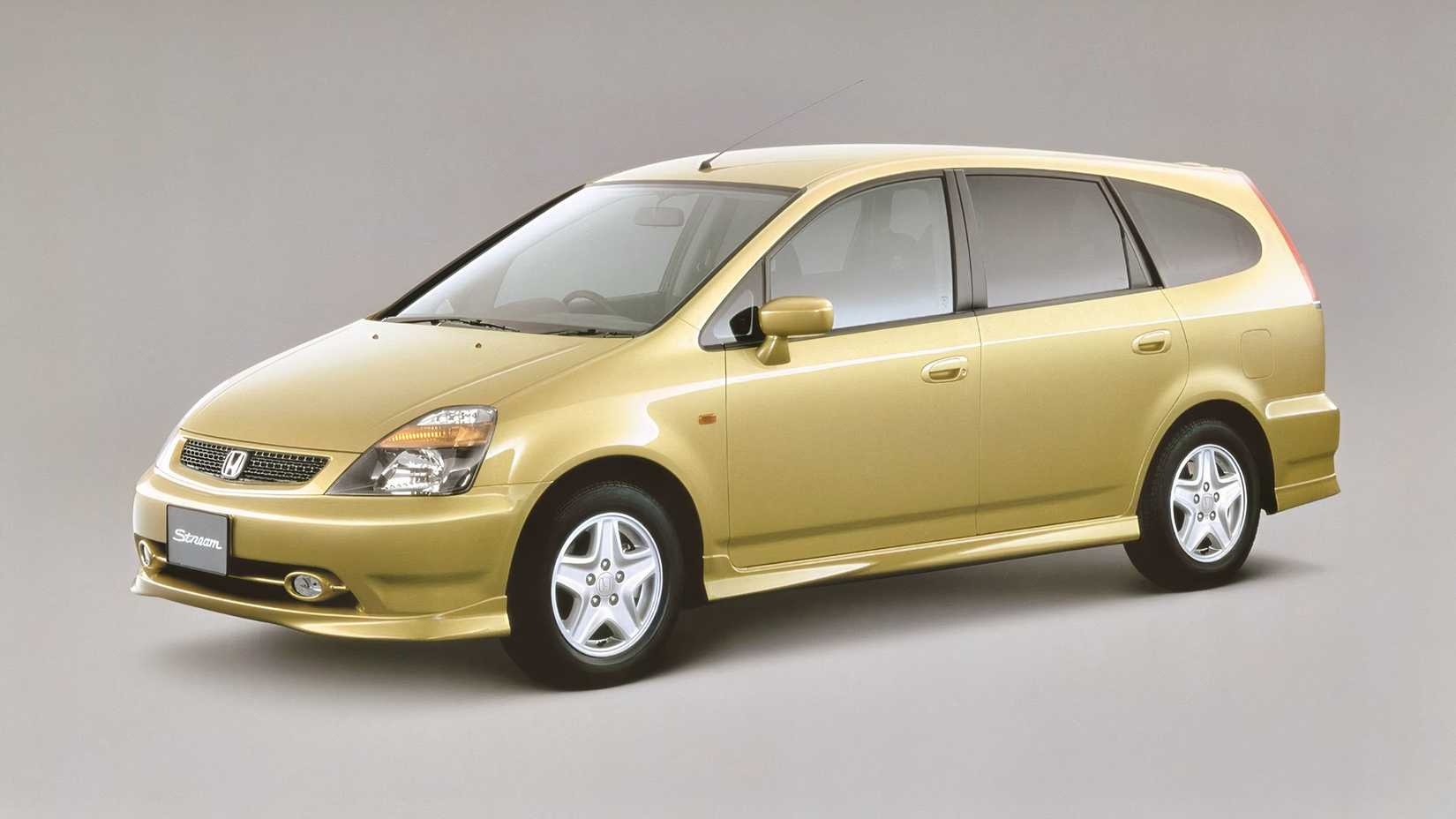
The K series also introduced coil-on-plug ignition and a modern electronic throttle, helping the engine management system fine-tune spark and airflow for better drivability and fuel control. Honda debuted the first K-Series K20A in the JDM-exclusive 2001 Honda Stream. This was an ideal compact platform to showcase the new engine architecture before rolling it out to performance models like the Integra Type R and mainstream options like the Civic and Accord. Edmunds consumer reviews of these models consistently award K-Series-powered models with high ratings for maintenance and reliability.

This was the first-ever Honda Civic to come with the famed B16A VTEC engine.
Setting A New Standard With The K20C
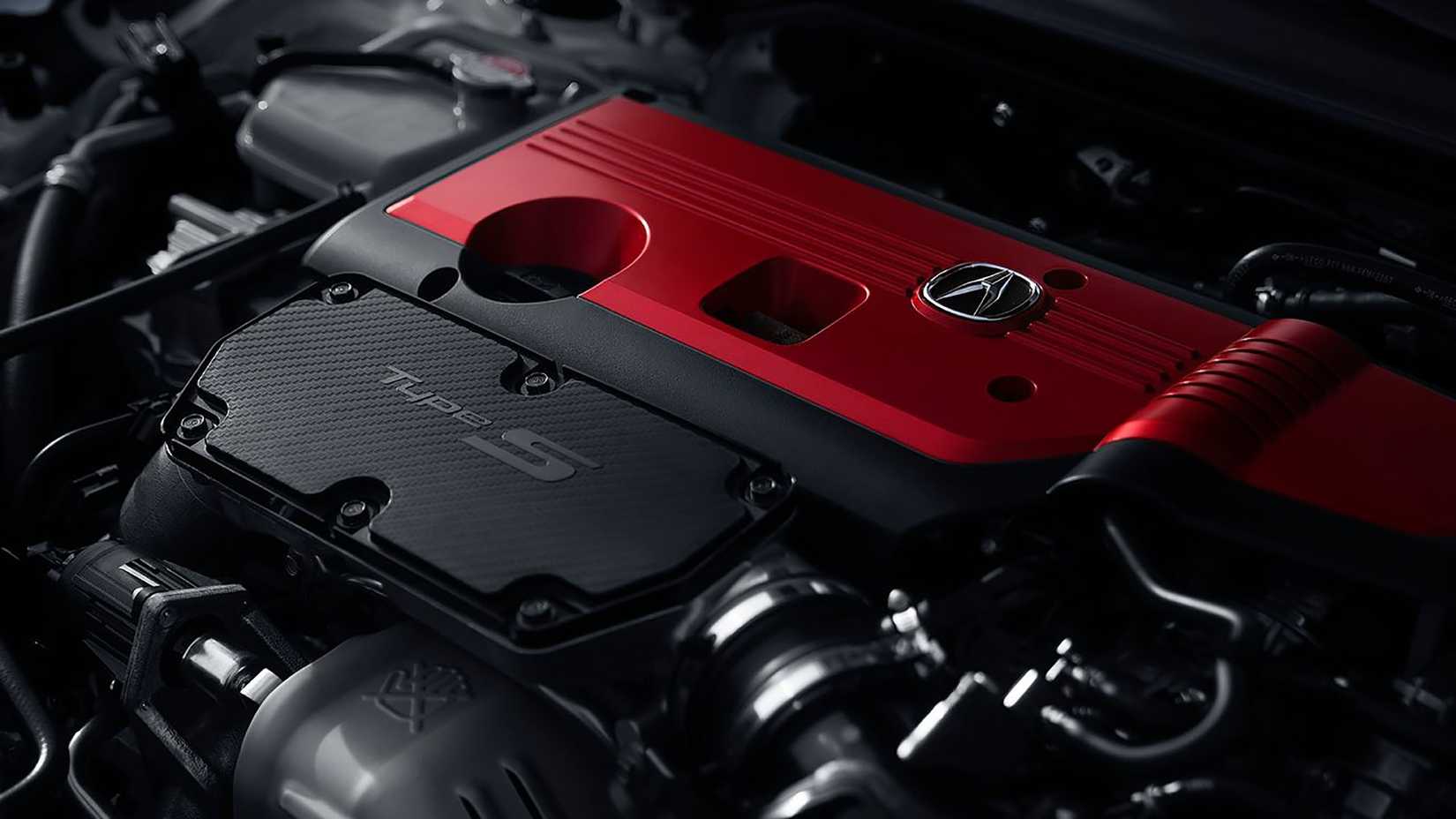
The K20C is Honda's current-generation of the K-Series range, upgraded to deliver strong real-world efficiency and long-term reliability across the Honda and Acura catalogs. It's also a redesign that meets stricter global emissions rules and tighter thermal demands that come with modern turbocharging.
Key design elements include a reinforced aluminum block that features a closed deck layout, improving cylinder stability under higher combustion pressure, and keeps distortion under control during long and high load cycles. The system also adopts a low-friction rotating assembly with coated pistons and well-balanced rods that reduce heat buildup and wear. The direct injection system used precise multi-hole injectors that improved atomization and allowed cleaner combustion, raising efficiency, and reducing soot formation inside the chambers.
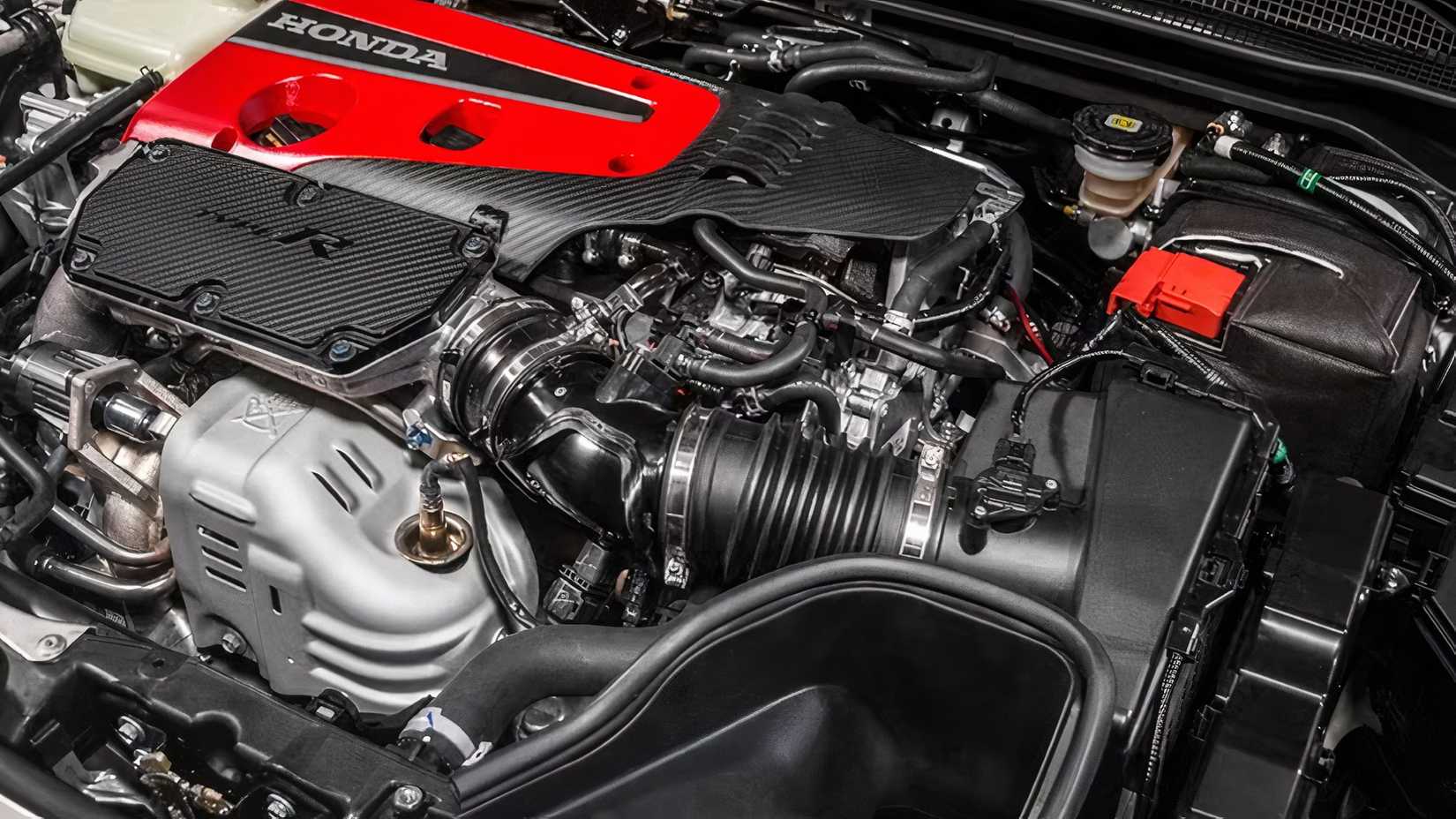
The engineers shape the cylinder head ports through extensive fluid modeling, creating fast and consistent airflow at lower boost pressures. The turbo layout is also intentional, consisting of a compact low-inertia unit that produces quick spooling without heavy thermal strain. The cooling circuit routes coolant through critical areas to stabilize temperature during demanding driving. Honda uses a high-flow intercooling unit to keep intake temperatures low, improve knock resistance, and protect the engine during long climbs or sustained highway use.
The K20C design also incorporates integrated exhaust passages within the head, shortening the distance from the valves to the turbine and reducing unnecessary heat loss. This improves turbo response and emissions control. Honda tunes the valve timing system to prioritize mid-range torque and real-world drivability, instead of chasing peak numbers. In doing so, the powertrain benefits from reduced stress on internal components. The company validates the design through endurance testing that included extended full load sessions and wide temperature swings. Honda and Acura models that use the K20C benefit from predictable behavior, low maintenance demands, and consistent efficiency because the engine handles high-pressure turbo operation without unusual wear, and it keeps its performance stable over long ownership cycles.

The new Honda Civic Type R costs a heavy penny. Here's a breakdown of where every dollar goes.
Proven Potential On Track

Honda pushed the first-generation K series engine into manufacturer-backed racing as soon as it proved its durability on the road. The Japanese company's racing division applied the unit as a core part of its return to high-level touring car competition. The engineers developed racing versions of the K20 that kept the production block and head architecture but used reinforced internals, stronger valve springs, revised cam profiles, and higher flow intake and exhaust systems to withstand extended high RPM use.
Honda built these engines for series such as the Japanese Super Taikyu Championship, the British Touring Car Championship, and various regional touring car categories where regulations encouraged production-based units. The K20-powered Civic race cars delivered strong pace because the engine breathed well at sustained RPM and held peak output without overheating or losing consistency during long stints.
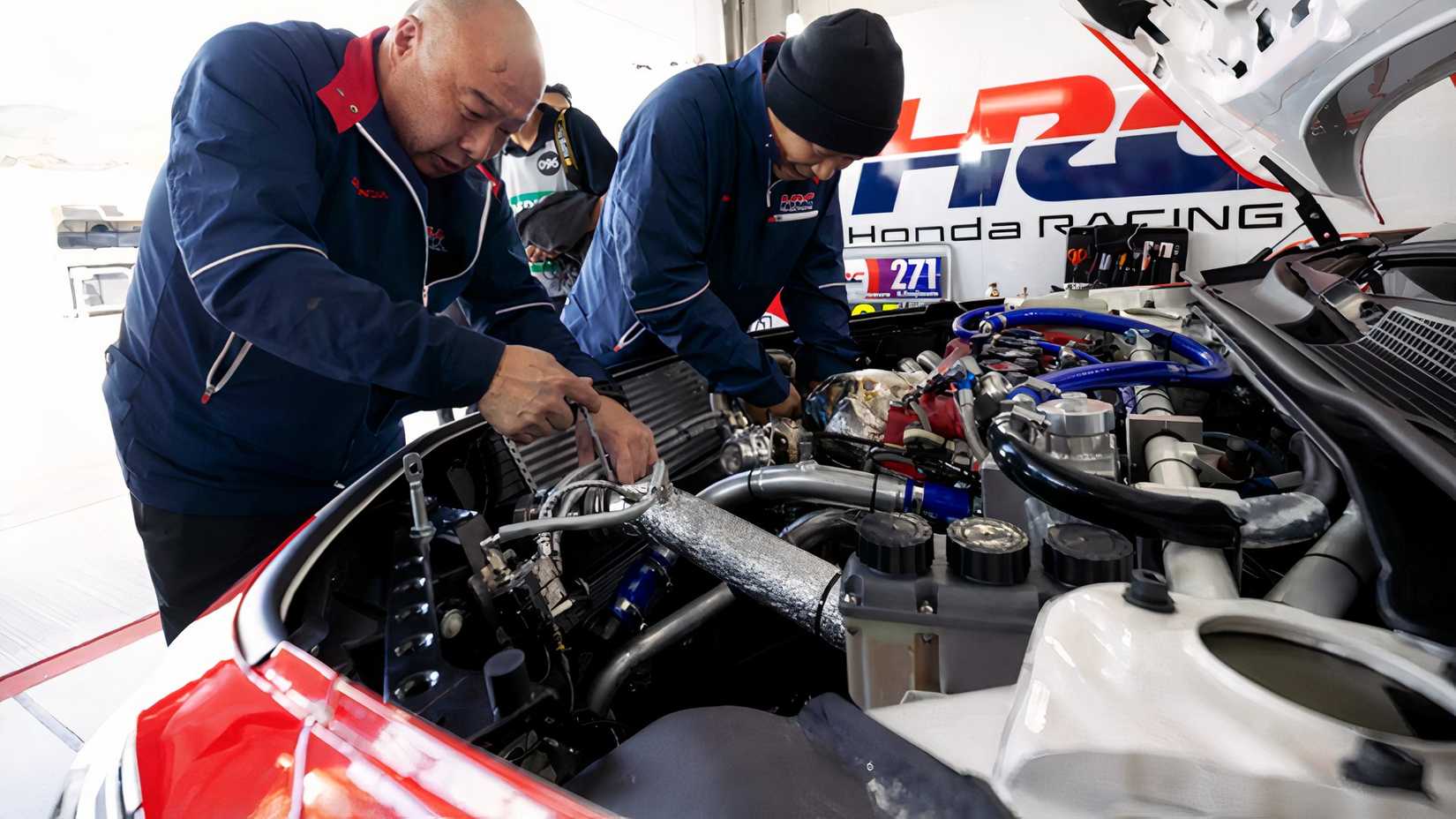
Teams appreciated the stable thermal behavior because Honda used a rigid block design and efficient water and oil channels that kept temperatures predictable under heavy load. Drivers reported sharp throttle response, which helped them control rotation mid-corner and fire out of slow bends with confidence. The wide operating range that came from the advanced i-VTEC system let engineers tailor cam timing for specific tracks, which improved flexibility during setup and reduced the need for constant gear changes.
The engine also proved extremely reliable during endurance events where many rivals needed mid-season rebuilds, while K-series units often completed full campaigns with only scheduled maintenance. Honda leveraged this record to promote the K series as a modern performance base, and the company used racing feedback to refine production variants for later models. The engine delivered a strong mix of durability, rev capability, and tuning headroom, establishing it as a respected package in manufacturer-supported racing programs, and independent teams quickly adopted it for club-level and regional championships.

We may love a good turbo today, but they had to start somewhere - here are the first 10 production cars to boast a turbocharged engine under the hood.
Why The K-Series Is Here To Stay
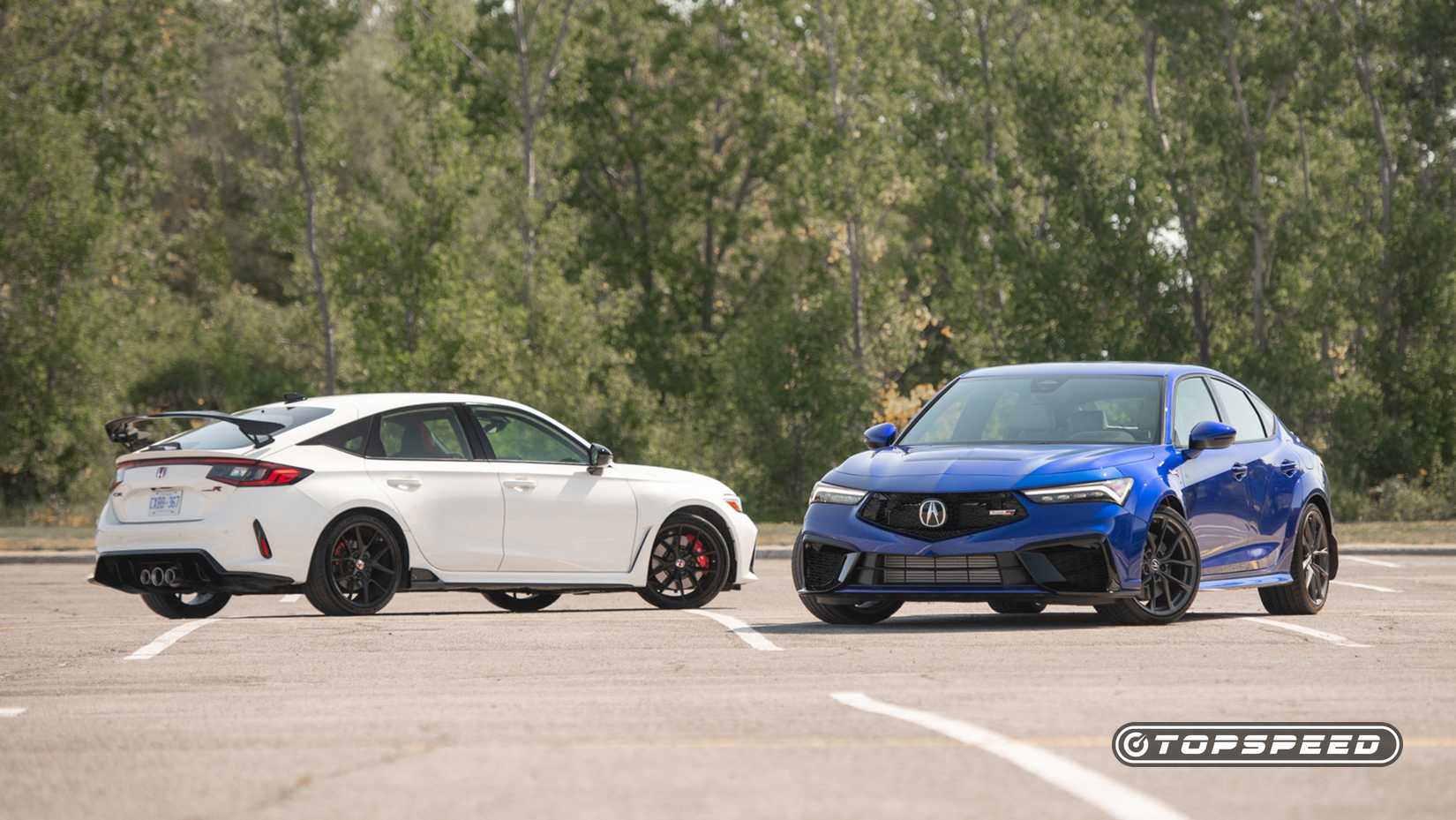
Honda continues to use the K series engine family because the architecture supports modern efficiency targets, strong durability expectations, and flexible integration with hybrid systems, which gives the company a stable foundation for future models across global segments. Honda engineers designed the K layout with a rigid aluminum block, efficient cooling circuits, and low-friction internals, which gives them room to meet tougher emissions rules without redesigning the core structure.
The engine handles high compression ratios, turbocharging, and extended thermal loads with consistent reliability, which helps Honda control warranty exposure and maintain brand trust. The K platform also scales well because Honda can adjust bore and stroke dimensions of intake and exhaust routing, and combustion chamber design to match everything from compact cars to performance-oriented Acura models without creating incompatible parts.
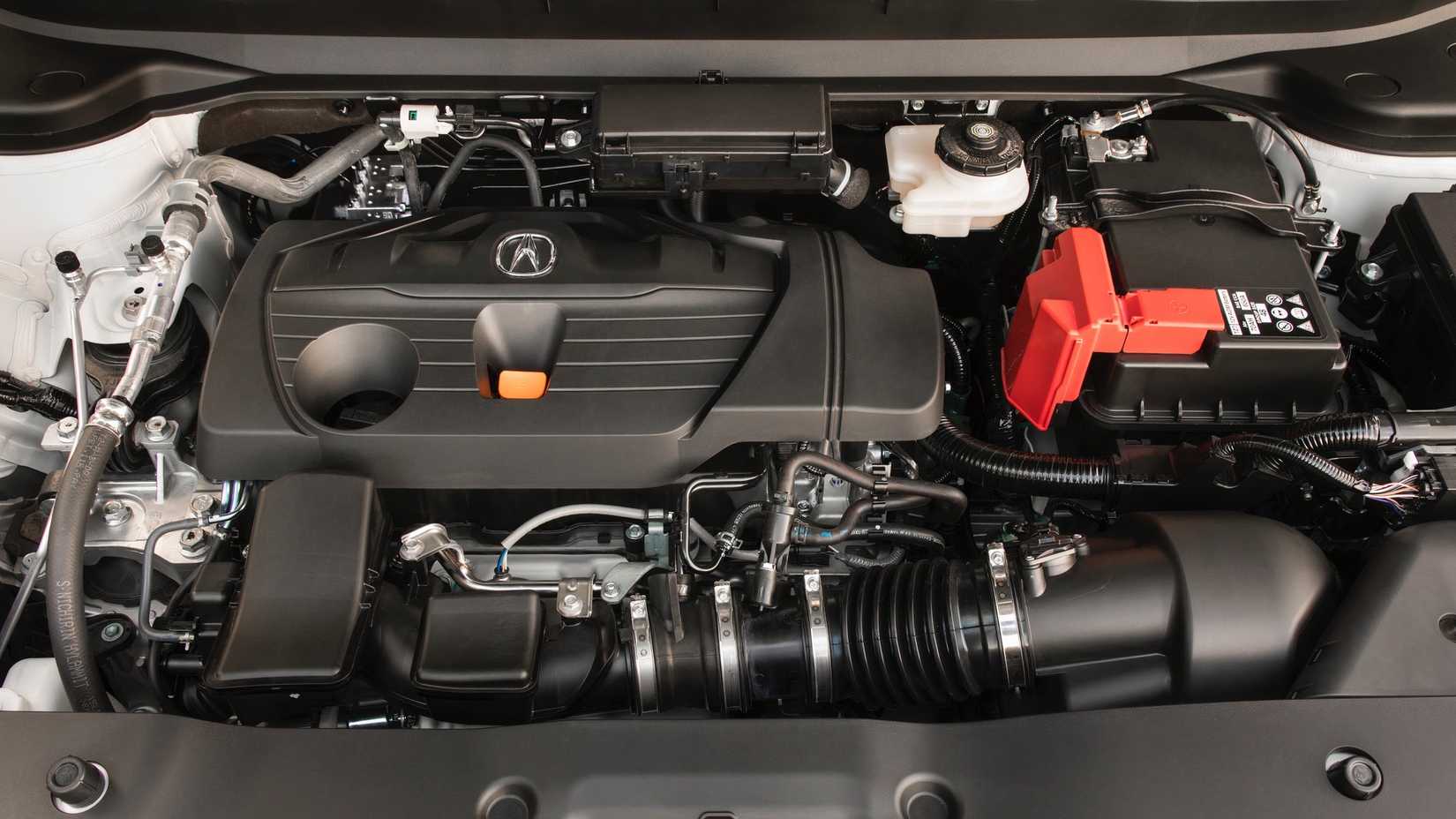
Honda doesn't currently apply its K Series engine to its hybrid portfolio, but this is a factor that can easily change as the brand takes a more aggressive approach to hybridization. Although unconfirmed, it has already expressed a desire to electrify the likes of future Civic Type R and Integra Type S models. The engine supports efficient Atkinson cycle tuning for hybrid configurations, which boosts fuel economy without harming long-term durability. Honda also values the deep supply chain that supports K series production because it reduces cost and improves manufacturing consistency across multiple regions.
The engine responds well to continuous improvement, so Honda updates injectors, turbo hardware, valve timing control, and cooling strategies without major structural changes. This approach helps Honda limit development time while raising efficiency and performance for each new generation. Engineers also appreciate the serviceability of the layout because it simplifies maintenance for dealers and reduces ownership cost for owners. Ultimately, the L-Series will be the cornerstone of its future strategies, as it has proven to be a better fit for both hybridization and turbocharging, but the K range's impressive performance abilities, resilience, and market appeal makes it too good an engine for the brand to just ignore.
Sources: MotorTrend, RepairPal, Kelley Blue Book, and Edmunds
Read the original article

Comments
That's a series of engines, not a single model. The FIAT FIRE [1] series has been in production for 36 years from 1985 to 2021 and, maybe you wouldn't expect it from FIAT, those engines were reliable.
[1] https://en.wikipedia.org/wiki/Fully_Integrated_Robotised_Eng...
The Jag XK platform had 45+ year run. I'd bet that as long as the 911 is made, it'll have an inline 6 and to someone's thinking it will be the same platform as the air-cooled version from 1964.
Engine architectures tend to last unless they are bad. They can do a lot on one also, the Toyota GR platform started out as a fairly vanilla V-6 but it has variations with GDI and variations with turbochargers and has been used a lot of different vehicles. A lot of different variations with different levels of compressions and such. It's basically the block and cylinders configuration.
I'll shout out the K-series though, it's a shockingly good platform. Lots of little details have been thought through, it's relatively simple, inexpensive and reliable and maybe one of the easiest engines to work on. If you were new to cars and wanted to start wrenching, the K-series is a pretty good place to start. It can take boost and make power and has lots of aftermarket support. I know civics aren't everyones cup of tea and it's not a big V-8, but I've yet to meet an engineer that isn't at least slightly impressed by the k-series.
By heelix 2025-12-0419:21 Ah man, I owned a Jag XJS with the V12. Nothing on that car was what I'd consider 'normal'. Want to change the brake pads - down the rabbit hole I went. That car was why I own a voltmeter. I was a lot more knowledgeable after that car - smart enough to run, not walk from an XKE opportunity.
By EugenioPerea 2025-12-0417:02 The 911 is a flat-six, but I agree with your point wholeheartedly.
By TacticalCoder 2025-12-0419:41 > 45+ year run... I'd bet that as long as the 911 is made...
Hardly. The first Porsche 901 came out in 1963 (and was renamed 911 for Peugeot had the right to "901" for car models even though they never used it).
That's 62 years that the 911 exists now.
Heck my 911 Carrera is now 38 years old and it's a late 80s one.
Indeed, long lived engines are not unusual
Chrysler LA - 1964-2003
Ford Windsor 1961-2000
Ford Inline 6 1960-2016
Modular V8 1990-2014
By zombielinux 2025-12-0418:18 The BMC A Series is another exceptionally long lived one. 1951-2000 in original form, and then licenced by Nissan until 2009.
> Modular V8 1990-2014
Still lives to this day. The 5.0/5.2 engines are modular.
By Aloha 2025-12-063:21 Debatable if the Coyote counts, I chose the conservative answer, even if I would otherwise agree with you
By cgh 2025-12-0417:53 Nissan VQ series, 1994-today
By relaxing 2025-12-0417:23 There is zero commonality between a ‘64 911 and a modern 992.
Came here just to rant about the FIRE and the Firefly. The Multijet was also extremely reliable.
Instead, they were tossed aside to promote whatever garbage came out of citroen design centers, i guess to achieve the destruction of stellantis. (except in south america, they still get to use the Firefly)
By zubiaur 2025-12-0420:10 For a short while we had them in the US, on the Dodge darts and some other Fiat applications. 1.4 + multiair + sometimes turbo.
Great little engine that powered my first car, a 2005 Fiat Uno, made for the Argentinean market in Brazil: 1.4 (1.345L), 8v of reliability.
By UncleEntity 2025-12-0418:25 In the couple years I've owned my (now) 10 year old wee-Fiat I think I've opened the hood once, when I first bought it, just to confirm the engine was actually there. Other than that, what engine?
Probably should pop it open (heh, Fiat Pop, no pun intended) to fix the headlight which has been out for about a year but it was a lot easier to get a (free) veteran's plate than poke around in there and you pretty much have to commit vehicular homicide in front of a cop to get pulled over with a veteran's plates so... I mean, it came with an extra headlight for a reason.
But, yeah, tiny little engine for a tiny little car which does it's job without issue, what's not to love?
I counter you with a Cleon engine[0] with 42 years. ;)
But in the end an engine can be reliable but still be an environmental liability.
[0]: https://en.wikipedia.org/wiki/Renault_Cl%C3%A9on-Fonte_engin...
By GuB-42 2025-12-0517:33 I had the first Twingo model with that engine. Sure, reliability was exceptional, and it also felt nice to drive for a low power engine (55 HP). What wasn't exceptional however was fuel economy, which significantly increased the total cost of ownership of a car like the Twingo.
I think the car made it to almost 300000 km with the engine showing barely any sign of wear. Some parts broke down, and there was still regular maintenance, which, combined with poor fuel economy and state subsidies made it not economically viable to keep the car even though it still ran. The newer model we bought later didn't last as long, the engine was good but not as robust, but it was still worth changing because of fuel economy alone.
At no point we considered environmental factors, only cost, but they are tied, since better fuel economy means both lower costs and lower emissions.
So in the end, you we a engine that was reliable for sure but didn't meet modern standards in terms of running costs, emissions and performance. When the Twingo came out, the use of the Cléon-Fonte engine was generally considered a serious downside, and it was changed to the more modern and appropriate "Energy" engine shortly after.
I’ll counter with the jaguar xk engine in production for 43 years.
https://en.wikipedia.org/wiki/Jaguar_XK_engine
I assume the American s will be by with a pushrod v8 soon.
By whaleofatw2022 2025-12-0419:55
By qingcharles 2025-12-0421:111 reply I had a lot of Minis, so I'll counter with the BMC A-Series: 1951-2000
By amypetrik8 2025-12-054:001 reply i counter you all with the 70 year legend
By qingcharles 2025-12-0516:19 You win :) That was actually my first engine... would have thought I'd have remembered the Beetle engine.
By exidy 2025-12-052:48 Ford Kent engine[0] was first produced in 1959 and is still being produced and used in motorsport, so technically it qualifies for a pension now.
By rasz 2025-12-051:49 Fiat FIRE engines are reliable workhorses, but they arent cool nor overbuild like K series. You can tune NA K20 to over 250 whp, or 400 whp turbo with _stock_ bottom end. Same reason 2JZ are legendary with stock bottom end good for at least 600 whp.
By RickJWagner 2025-12-0417:21 I’d consider it very bad marketing for Fiat to use the brand ‘FIRE’ for their engine. :)
By whaleofatw2022 2025-12-0419:52 Meh, GM 3800 had a good 40+ years of production (although some of those years were 3rd party,) I'd take one of those over a FIRE.
This little 20HP one-cylinder Diesel engine [1] powers much of third world agriculture. The original design seems to have come from Shanghai Engine Company in 1953, and is still manufactured by multiple companies. It's water-cooled, but non-recirculating; you have to fill the water tank when you fill the fuel tank. No electrical components at all. Starts with a hand crank.
Over 75 years of production of that design. It's the AK-47 of engines.
[1] https://www.alibaba.com/product-detail/High-Quality-Manufact...
By sidewndr46 2025-12-053:461 reply That's rather peculiar. Was this a project of the CCP or was it derived from some other design?
It came out at a time when Shanghai Diesel Engine Company was totally government owned.
Shanghai Diesel Engine Co., Ltd. (SDEC) originated from the Shanghai Diesel Engine Factory, founded in 1947 under the name Wusong Manufacturing Plant of the China Agricultural Machinery Company, where it produced a trial batch of 5 HP gasoline engines. After the founding of the People’s Republic of China, the factory was renamed Wusong Machinery Plant, which later began mass-producing a single-cylinder, horizontal 12 HP diesel engine operating at 750 rpm. In August 1953, it officially became Shanghai Diesel Engine Factory and started independently designing and manufacturing diesel engines.[1]
That's the engine - that little 12HP single-cylinder horizontal Diesel engine. It's up to 20HP now; there's been progress in 70 years. Here's a full teardown and overhaul.[2]
It doesn't seem to resemble any common US, UK, Japanese, or German diesel engine of the 1940s. All those countries built small Diesels in that period, but none are close to the Chinese design. Don't know who the designer was, though. If you asked SDEC, they'd probably tell you.
[1] https://www.chinadieselgen.com/en/history-of-shanghai-diesel...
By tim333 2025-12-0511:43 Looks like it might have a job with western pollution regs (https://youtu.be/Voev_QmZnYs?t=2803)
By potato3732842 2025-12-0415:403 reply 25yr is "meeting expectations" for any mass market[1] engine designed after about the mid 1970s or so.
A design that is both not fundamentally flawed in some way and cutting edge enough for its time to not quickly rendered obsolete the steady increase in expectations should go far longer. A design that is "ok" and cutting edge will probably go 20-30yr. A design that is behind the times, and very good (easier to not make wrong design decisions when you're not on the cutting edge) will probably do 20-30yr as well.
[1] i.e. not some specialty truck or sports car thing that could become not worth making due to a shift in market conditions for the few segments where it's applicable.
Needs a million upvotes. It costs a large pile of money to design an all-new engine from the ground up that meets modern emissions and is reliable is service for hundreds of thousands of miles. You should be thinking billions of dollars. They only way to make this affordable is to amortize that cost over many many cars of many many years. Sure you will tweak the design here and there for various reasons, but the initial investment to get the first car to a customer is too high to dare start again anytime soon.
Of course with electric cars obviously coming it is questionable if any engine is worth starting today. There isn't much worth doing that a minor tweak to an existing design cannot do - and even if there is something it is questionable if engines will be sold long enough to be worth it. (at least for cars - if you target boats or construction equipment or such maybe - though you will note smaller boats typically just take an existing engine and tweak it because there are not enough small boats sold to be worth a new design)
By whaleofatw2022 2025-12-0420:09 So much money for an engine or transmission that some companies started collaborating...
GEMA was the collab between Chrysler/Mitsu/Hyundai for an inline 4, and GM/Ford have collaborated on a few transmissions too.
Plenty of engines hit the 20-year mark, but not many do it while still powering everything from family sedans to track-ready Type Rs
By 1970-01-01 2025-12-0418:51 The V6 2GR is about to do it for Toyota. Subaru had the EJ going strong for 20 years. Honda has this. Nissan had a few contenders.. there's a list: https://en.wikipedia.org/wiki/Ward%27s_10_Best_Engines
