
The network of power behind Europe’s most strategic energy mistake
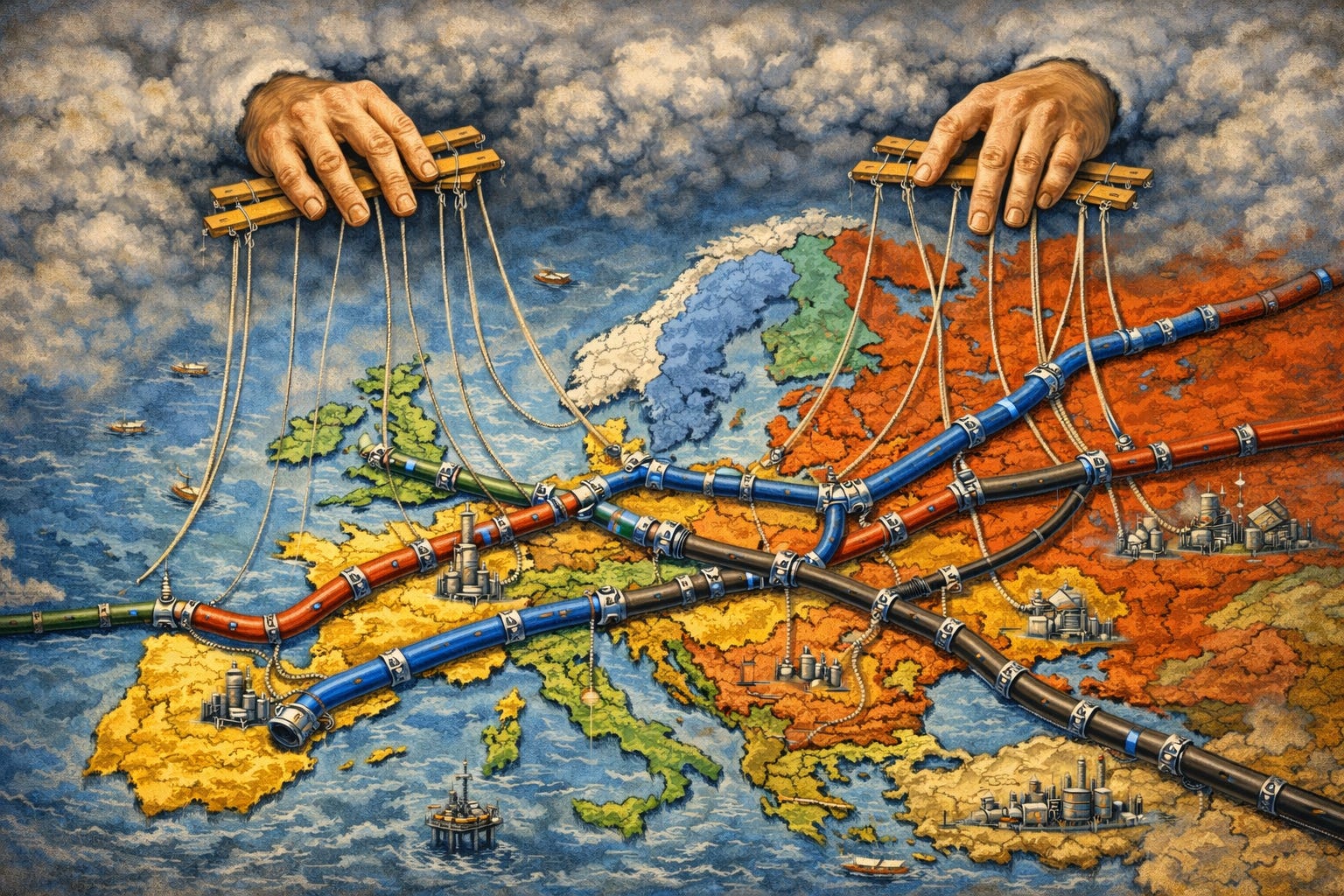
“It’s all in the game.” - The Wire
A few years ago I wrote about how senior officials alleged that Russia sought to influence Western energy debates, including opposition to nuclear energy and fracking, while positioning its own gas exports as an alternative. But Germany’s story goes deeper than I had space to explore then. Who exactly shaped German energy policy, and how did one of the world’s most sophisticated economies become so catastrophically dependent on a petrostate?
In 2014, NATO secretary Anders Fogh Rasmussen made a shocking accusation. He said that Russia was running a sophisticated disinformation campaign targeting Western environmental groups, funding opposition to shale gas extraction in order to maintain European dependence on Russian imports. “I have met allies who can report that Russia, as part of their sophisticated information and disinformation operations, engaged actively with so-called non-governmental organisations, environmental organisations working against shale gas, to maintain European dependence on imported Russian gas.”
Two years later, Hillary Clinton told a private audience that the same pattern extended further: “We were even up against phony environmental groups, and I’m a big environmentalist, but these were funded by the Russians.”
For several years I have been asking how much of this extended to nuclear energy. Modern psy-ops rarely invent fears. They magnify existing ones, repeat them relentlessly, and aim them at pressure points in democratic societies. In Germany, that pressure point was nuclear energy.
Unlikely allies
First let’s look at what we know. Friends of the Earth was founded in 1969 with a $200,000 donation from the owner of Atlantic Richfield, one of America’s largest oil companies. One of the environmental organisation’s first major campaigns was opposition to nuclear energy.
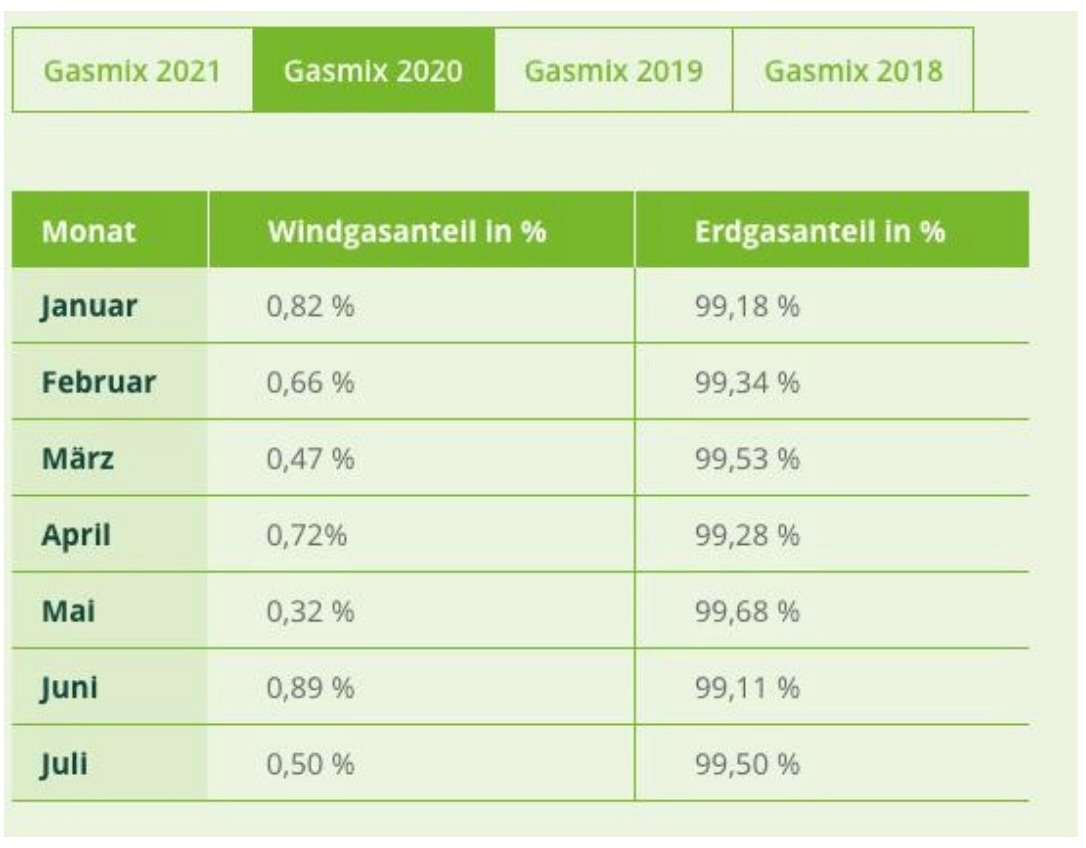
Greenpeace has been actively opposing nuclear weapons and energy since its inception in 1971, cleverly lumping nuclear weapons technology with civilian nuclear. While campaigning against fossil fuels, a Greenpeace-branded but legally separate energy cooperative in Germany (then called Greenpeace Energy) sold a product called ProWindGas, which marketed itself as renewable and even advertised its product as vegan. Its energy mix was 89% gas, 10% biogas, and 1% green hydrogen. You read that right: an NGO whose stated mission is to fight fossil fuels was selling 99% gas to German consumers under the branding of renewable energy. The page about this has since been removed from Greenpeace’s website, but some documentation remains online.
Writing in the Genetic Literacy Project, senior policy analyst Bill Wirtz reported that WWF Germany, BUND (Friends of the Earth) and NABU (Nature and Biodiversity Conservation Union), three environmental organisations that had opposed the Nord Stream pipeline on environmental grounds, all dropped their opposition after Gazprom promised funding for environmental protection. Some of the representatives of those same organisations were simultaneously sitting on the board of a multi-million dollar Gazprom-controlled foundation.
Between 2007-10, the Sierra Club, a prominent and influential anti-nuclear organisation and the largest and oldest environmental group in the US, accepted over $25 million from Chesapeake Energy, one of the biggest gas drilling companies in America.
Read my post on the case for defunding NGOs:
More recently, Dominique Reynié, director of Fondapol, the Paris-based Foundation for Political Innovation, stated that: “We have even found funding from Gazprom in particular, to environmentalist NGOs that have supplied ministers to certain European countries like Belgium, and who are then obviously involved in a kind of quid pro quo by advocating for the phase-out of nuclear.”
I contacted Reynié following this interview, but he was unavailable for further comment.
We know that historically so-called “environmental” groups successfully opposed nuclear energy, but in Germany specifically, these protests helped boost the influence of Alliance 90/The Greens and contributed to the country’s decision to phase out nuclear energy and played a key role in shaping climate and energy policy overall.
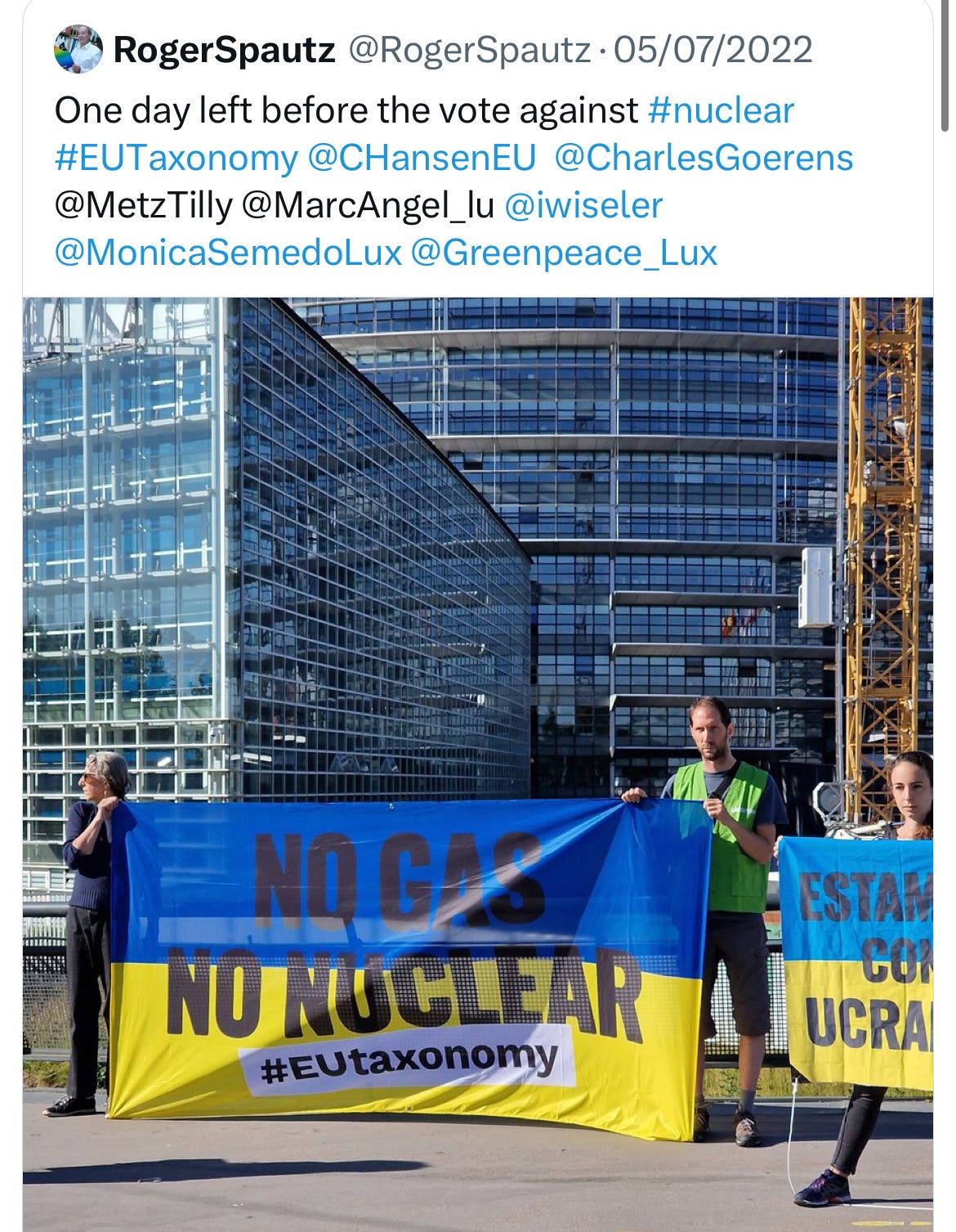
Bolstered by their success, their antics continue to this day. In 2022, when nuclear plants were keeping the lights on while Russian missiles targeted the energy grid in Ukraine, Greenpeace saw an opportunity to use the crisis to lobby against the inclusion of nuclear in the EU’s green taxonomy. In fact, amidst the war, the Ukrainian government had publicly confirmed its commitment to those same power plants, since for Ukrainians, they were the difference between heating their homes and freezing to death in sub-zero winters. This did not matter to the activists.
The politicians who chose Gazprom over their own citizens
We’ve looked a organisations, so now let’s look at people. The most straightforward case is Gerhard Schroeder. As German Chancellor from 1998 to 2005, Schroeder initiated Germany’s nuclear phase-out, and after leaving office he was invited to join Gazprom’s board of directors. He also developed what he described as a close personal friendship with Vladimir Putin during his time in power.
In fact, when Russia invaded Ukraine, Schroeder accused Ukraine, rather than Russia, of ‘sabre-rattling’ and insisted that Putin had no interest in military intervention. Many of his office staff resigned in protest, but he declined to cut his ties to the Kremlin.
Then there is Manuela Schwesig, chief minister of the northeastern German state of Mecklenburg-Vorpommern. In 2021 she helped to establish the Climate and Environmental Protection Foundation (Stiftung Klima- und Umweltschutz MV). On the surface it looked innocent, engaging in initiatives like tree-planting with schoolchildren. However, it was also later found to have funnelled millions of euros from Gazprom into completing the Nord Stream 2 pipeline and shielding it from US sanctions. Former Foreign Minister Heiko Maas, who was in office when the Foundation was established, stated that this was “a decision made in Mecklenburg-Vorpommern, it was not a decision of the federal government.”
Schwesig named herself on the founding documents. Nord Stream 2’s communications manager sent her office suggested edits to her public statements and sought access to off the record briefings with journalists. Documents released under Germany’s Environment Information Law showed her office operating, in the words of Die Welt, as “a branch of Gazprom.” When the invasion of Ukraine made the arrangement impossible to defend, a state tax official admitted to burning several tax declarations including a 20 million euro Gazprom gift in her office fireplace.
Schwesig eventually changed tact and stated that supporting Nord Stream 2 had been a mistake, yet she remains in office to this day.
In Belgium, Green Party minister of energy Tinne Van der Straeten worked from a similar playbook. She previously co-founded Blixt, an energy law firm that worked with major energy-sector clients, including Gazprom. Throughout 2020 and 2021, she resisted growing calls from industry groups and opposition parties to extend reactor lifetimes. During this period, policy planning focused on replacing nuclear generation with a mix of offshore wind expansion and gas-fired backup plants. As minister she argued for a Belgian future powered by 100% renewables, while her government approved the replacement of Belgium’s seven nuclear reactors with gas-fired power stations. The reactors had been providing half of the country’s electricity at the time.
However, following Russia’s invasion of Ukraine in February 2022, Van der Straeten and the Belgian government did reverse their earlier stance and decide to extend the operation of two reactors for an additional ten years, until 2035.
Still, the episode offers a revealing snapshot of the kind of political dynamics that shaped Europe’s nuclear phase-outs.
In hindsight, the decision by Germany and much of Europe to shut down nuclear power plants looks less like an environmental choice and more like a strategic vulnerability that was actively engineered. Nuclear energy offered Europe a rare combination of low-carbon power, grid stability and energy independence. Its removal created a gap that renewables alone could not fill, pushing countries into crisis and toward Russian gas. This dependency aligned neatly with the interests of two powerful groups: the Russian state and the fossil fuel industry. In several documented cases, those interests were the same thing.
In Germany, the consequences were visible long before the final reactor closed. A 2007 Deutsche Bank report had already warned that Germany would dramatically increase its dependence on Russian gas if the phase-out went ahead. Their advice was ignored. As well, a peer-reviewed study found that the 2011 closures alone cost Germany between €3 and €8 billion per year in health costs from increased coal burning. And another analysis found that had Germany kept its nuclear fleet running, 94% of its electricity in 2024 could have been emissions-free.
So, there you have it. The first German chancellor to phase out nuclear power went on to chair the board of the pipeline company owned by the man he called his friend. A regional minister built a climate foundation that was used to funnel Gazprom money into that same pipeline. And environmental groups across Europe took Russian money, lobbied against nuclear energy and convinced the German public that it was unsafe and unnecessary.
If I were German, I would be demanding a full investigation. How deep does the rot go? Who else was involved? And when will those responsible finally be held accountable?
My new book Energy is Life: Why Environmentalism Went Nuclear is available everywhere now. Order it here.
I’m on a book tour in the UK. Check if I’m coming to your city here.
Read the original article

Comments
By leonidasrup 2026-03-1010:36 For German speakers I recommend reading the book: "Akte Atomausstieg: Das Ende der Kernkraft und das Scheitern der Energiewende" by Daniel Gräber
By GuestFAUniverse 2026-03-1010:321 reply A nuclear activist selling a book. Talking about Germany without living in Germany. And especially not living near a German nuclear facility.
No thanks.
By LargoLasskhyfv 2026-03-1013:17 Sometimes distance is needed to see the whole picture.
But linksgrünversiffte Kackspacken are too embedded in their cargo-cults to recognise that.
By tim-tday 2026-03-1020:10 Who is the Green Party.
