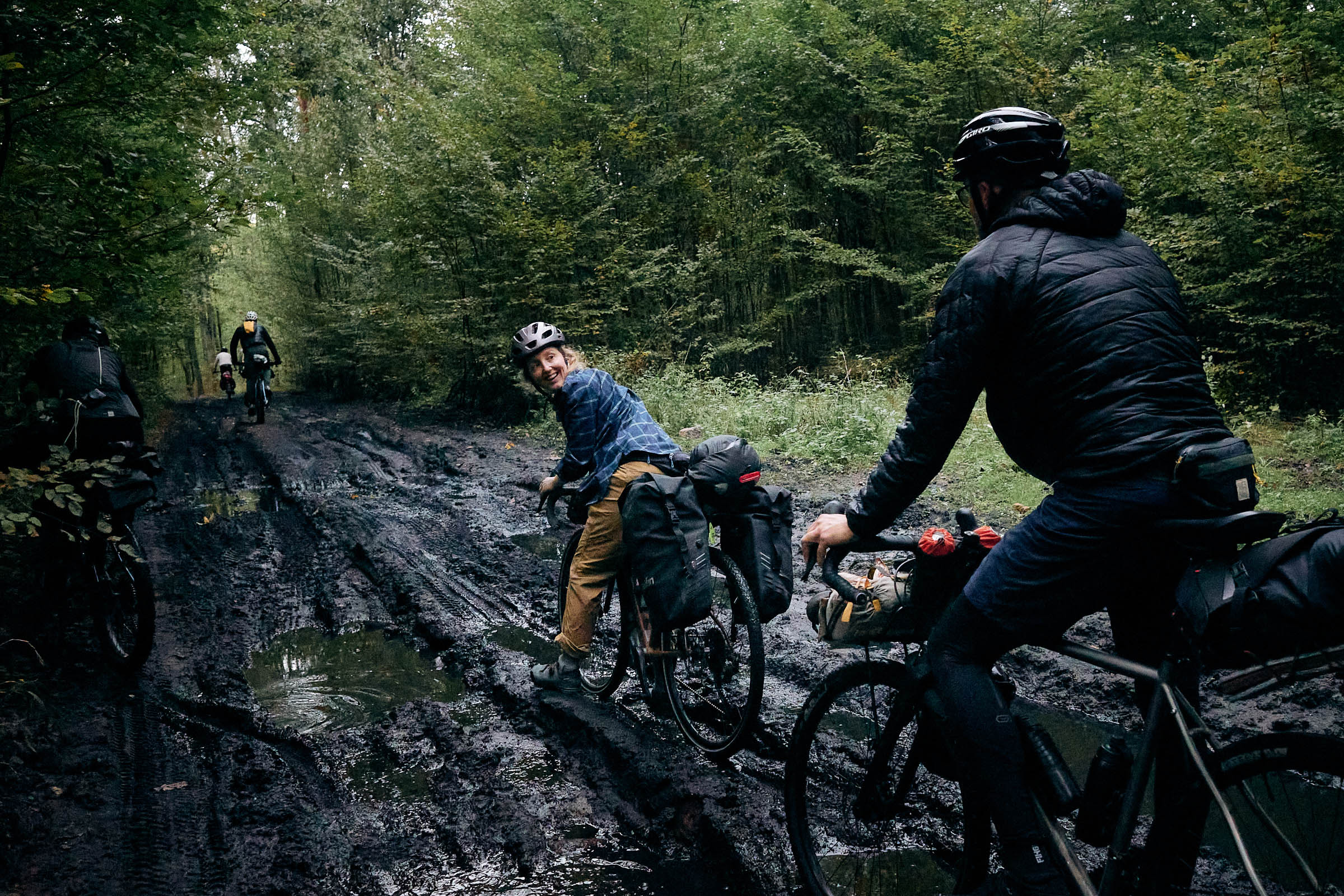
Following the sale of Komoot to private equity, Josh Meissner explores the broken relationship between corporate capital and our communities...

Following the sale of the popular route-planning platform Komoot to private equity, Josh Meissner examines the troubling mechanics of the community-powered service beyond its friendly brand image. Using Komoot as an example, he explores the broken relationship between corporate capital and our communities. Amid the tension, discover a way forward that’s available to all of us…
Imagine going for a ride on your favorite loop through your local woods and stumbling upon a notice of an impending clear-cut. That’s the shock many of us in the European cycling community felt when the news broke that our trusted route platform, Komoot, was sold to the notorious private equity group Bending Spoons on March 20th of this year. Breaking their promise of long-term commitment to the company, Komoot’s six founders sold out the around 150 employees, millions of active users, and the beloved service, making off with the lion’s share of the 300-million-euro deal.1
The employees were the first to get the axe. They signed in one morning to learn that the company many had dedicated up to 15 years of their life to was no more. Eighty percent were fired immediately. I spoke with a few longtime employees in the aftermath, who described it as a rough and cruel betrayal.
Komoot, to them, was more than a job; it was a mission and purpose. Many had accepted below-average salaries and uprooted their lives to commit to the outdoor lifestyle and the dream job. Suddenly, they were left scrambling for new work and visa sponsors with just a few months’ pay as severance. The six bosses, meanwhile, pocketed an estimated 20 to 30 million euros each.

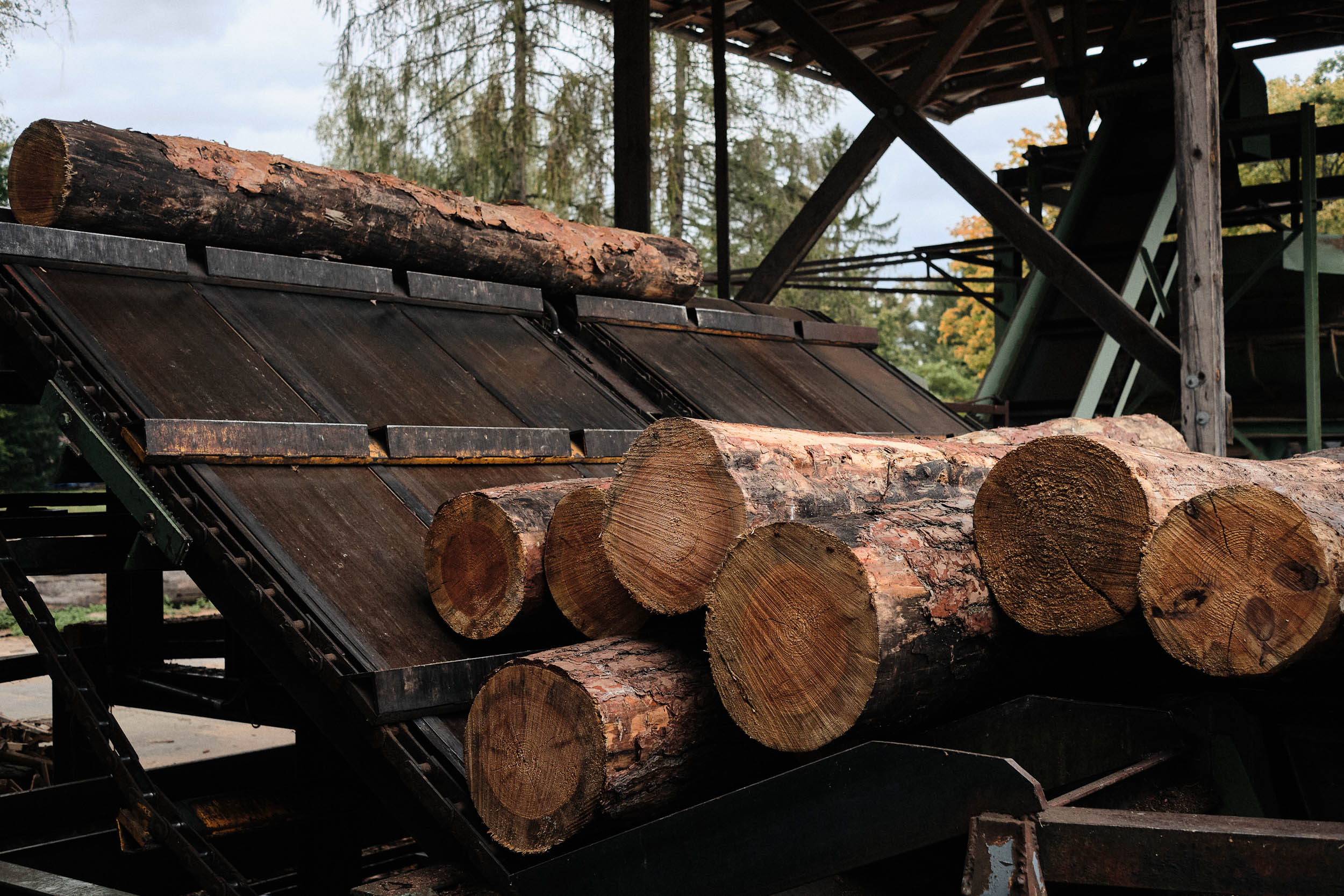
Over 45 million of us users, mostly in Europe, were similarly betrayed and left in the dark. Now we hear the chainsaws revving as private equity’s playbook of mass firings, squeezing users, and aggressively monetizing the product starts to play out.2 As users and employees, we’ve been komooted: led astray by capital’s algorithm.
Initial reporting questioned the founders’ decisions, correctly warned of the rapacious new owners, and identified possible alternatives to Komoot. These are important points, but they miss the bigger picture. I’ll argue that Komoot is neither a moral failure nor an outlier but the capitalist system of value extraction working exactly as intended for the platform owners. Whether they’re called Komoot, Strava, AllTrails, or Garmin, for-profit corporations squeeze and sell us out when we give them the opportunity. Corporations we depend on are swallowed all the time. Komoot exemplifies just how much we lose to corporations wielding digital technology encroaching on our communities—and in doing so, we discover the grounds for effective resistance right where we are.
In getting komooted, we feel the pain of not being represented in the companies we work for and the platforms we use. Komoot was supposed to be special, the darling of the German startup scene. A unicorn not only in terms of prospective valuation but also in its good working conditions and a progressive mission of enabling access to the outdoors.3 The owners’ assured their long-term commitment with the mantra “we won’t sell.” The abrupt sale stripped Komoot of its green veneer, revealing hard business as usual. Unusually, none of the employees held stock in the startup, deemed unnecessary or “not possible” by the management.4

We shouldn’t be surprised, because capturing communities with false promises only to sell us out is business as usual in the corporate internet. The founders handled the transition horribly, even by tech industry standards, and the pain and disruption it creates in our lives is real. Yet capital is constantly pulling the rug on online communities—the people of Couchsurfing, Reddit, Twitter, and many more were similarly komooted. For corporations, it’s always profits over people.
In financial capitalism, companies themselves become commodities. This pits owners against the people who build the platform in the pursuit of shareholder value. In the official press release of the sale, CEO Markus Hallerman described the 45 million users like a resource that they grew and sold.5 It doesn’t even mention the loyal employees who built the platform into what it is. The new owners, for their part, are “enthusiastic about its future growth potential.” To capital, the corporation is a vehicle for profit; the platform is their plantation. Capitalists see our forests only for their timber value, and they wield the power to impose their limited view on us.6
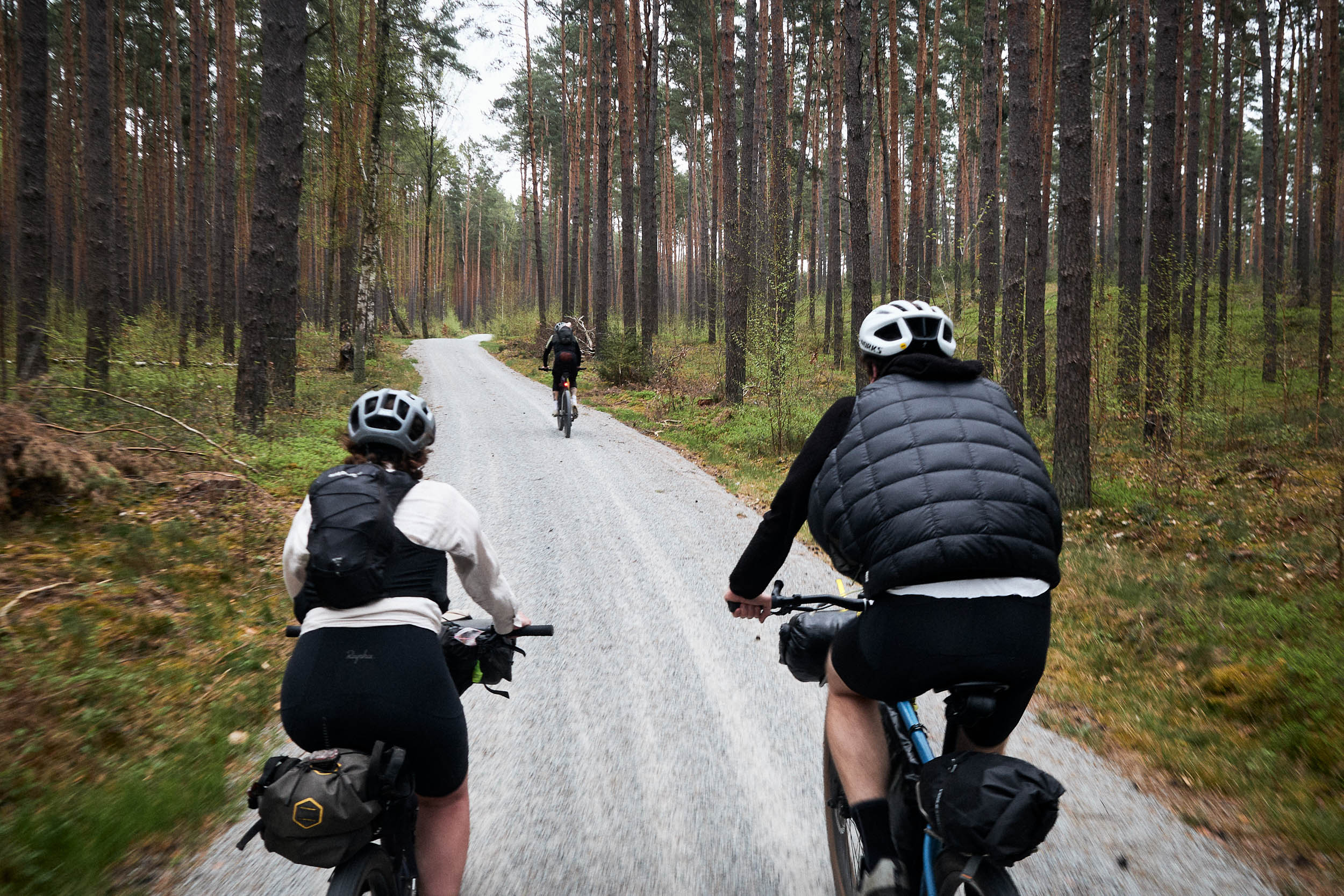
Unsustainable growth is not just ideology but an imperative, and it’s blatantly unsustainable. In a 2023 interview, Hallerman revealed that Komoot’s revenue was roughly split between recurring subscriptions and new users making one-time payments for map regions, with ad revenue making up a small remainder.7 That means they had to keep signing new users and expanding into new markets to stay in business. Komoot relied on continual growth in a finite world—an impossibility. What cannot continue forever is, by definition, unsustainable.
Driven by the growth imperative, Komoot’s leaders prioritized user base growth and engagement above all else. As I learned, development focused on features that would drive sign-ups and help take over new markets. These ranged from highly compelling features such as the global map with user-generated Highlights and Trail View user photos, algorithmic route recommendations, and human-curated collections, to less savory tactics such as dominating search results with thousands of shoddy algorithmically generated route pages for every destination. Feedback from power users and ambassadors was chronically neglected. The platform was probably approaching a finite user limit in Europe by 2024.8 The sale appears to be a cash-out before growth in Europe inevitably stalled.

Private equity’s business model lies in squeezing the maximum amount of profit from the company until it dies and then throwing it away. Having acquired an expiring business, Bending Spoons immediately started culling the hands who were keeping it alive. They fired the knowledgeable employees with next to no handover and alienated the most passionate users. What’s left is an illusion of a brand, a captive user base, a trove of user data, and a product on life support. Together, a latent infrastructure of extraction and capital accumulation, ripe for intensified monetization.
Enclosure of our commons
Capital does not invent interesting new ideas like gravel and bikepacking. It swoops in from the outside to appropriate. While motley crews in the Midwestern United States organized the first gravel races, and proto-bikepackers charted ambitious off-road routes in the late 2000s, Komoot’s founders conceived the tool as a way to algorithmically find mountain bike trails and jogging routes from a hotel while on a business trip.9 Komoot started as a product by German tech bros for German boomers, and it would have stayed that way if not for the curious dirtbags like us who joined the company over the years. Only they enabled the company to appropriate trends like gravel and bikepacking for mass-market appeal and, along with the communities on the ground, make the owners rich.
Capital generates profits and user base growth, accumulating ever more capital on digital platforms through algorithms that harvest user data. In converting users’ digital productivity into a corporate asset, Komoot exemplifies the workings of capital in the digital landscape. Komoot entices new users by providing ready-made inspiration, frictionless route recommendations, detailed planning, and turn-by-turn instructions in a polished Google Maps-like package. These features rely on tons of our user-generated data—the fuel of the platform. Komoot’s algorithms harvest the routes, points, photos, and notes we create, process them, and present them to other users on the global map, collections, and personal feeds. This so-called inspiration and planning support—digital capital—induces more activity in users and makes the platform more attractive to new ones. More activity generates yet more data and sign-up revenue that keeps the operation running.
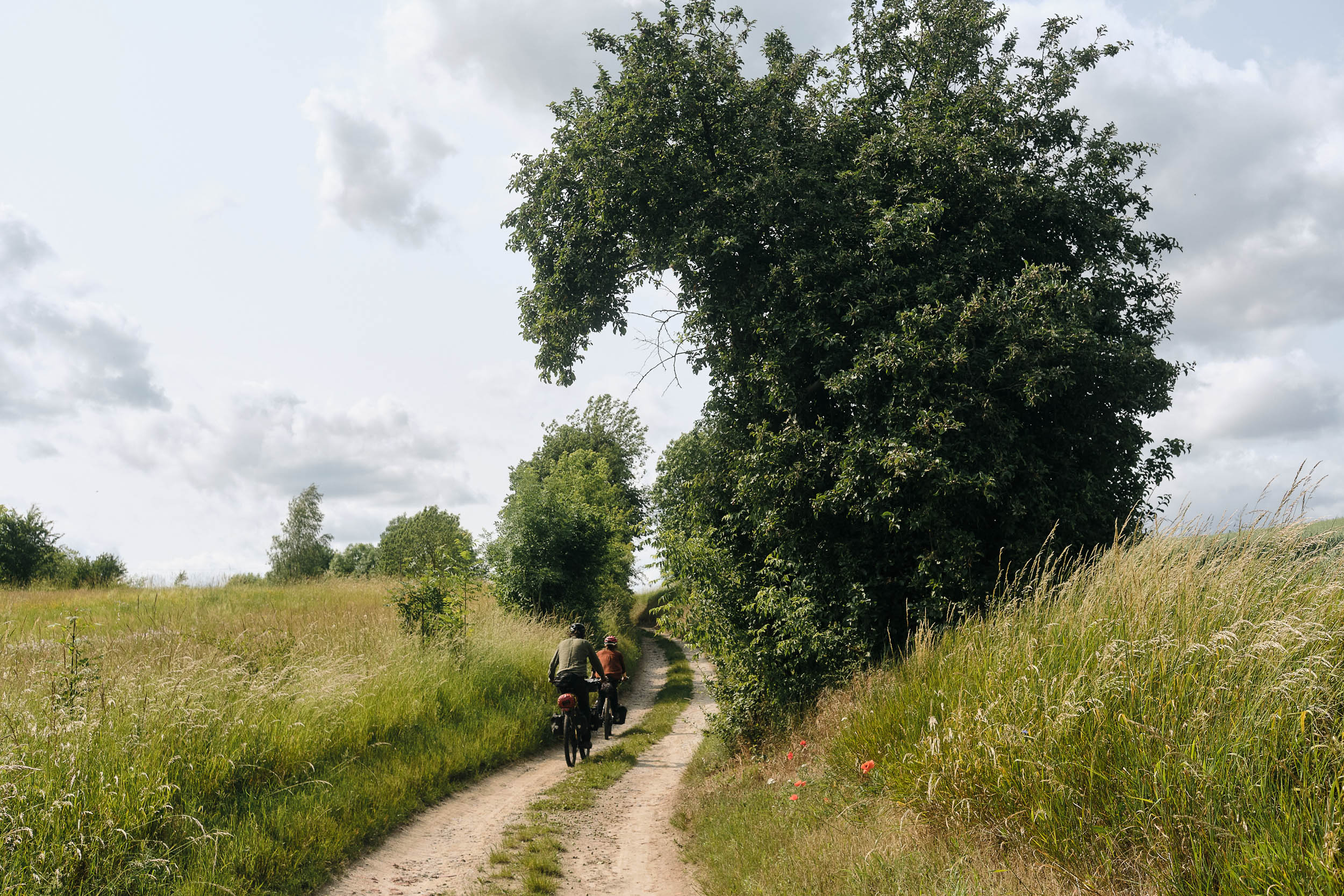



Crucially to the business, we users perform this crucial labor for free and without any say in the direction of the platform. This fundamentally extractive relationship between user and platform operator mirrors the relationship between labor and capital, in which business owners turn a profit by extracting surplus value from workers.
To boost engagement and capture groups of users, capital co-opts our human instinct to connect with one another and contribute to a “community” and sells it back to us. As corporations—bureaucratic entities—cannot create value themselves, they instead lure us, social beings, with promises of “community.” In contributing to a corporate “community,” we’re providing free digital labor toward proprietary, engagement-driving features that expand the user base for the profit of the owners. In fact, we suckers even pay for the privilege. Betrayed, we see this “community” for what it is: a mirage.

A useful way of understanding community is as a group that is bonded by a common, a connecting web of shared tangible and intangible goods.10 To us bikepackers, for example, our routes are central, spanning monuments in the United States, South Africa, Thailand, and Spain, to local overnighters and unpublished sketches shared between friends. These labors of love provide targets for each other’s movements and host our races and rallies that bring us together and inspire us to contribute back. They inspire stories that propel us through deserts, mountains, and ice to grow beyond ourselves. Our custom bikes and gear reflect our dirt intentions and we Leave No Trace to keep it all sustainable. Our bikepacking commons weaves us together and forms the grounds of this community.
We all help maintain our commons first and foremost by riding. We thereby forge more-than-human relationships and document and exchange our experiences—these days, mostly digitally. Our gifts to each other go round and round, cycling endlessly like nutrients in a forest—ideally. Riding sprouts new routes, stories, events, connections, and innovations. We’re constantly inspiring, inventing, deriving, sharing, collaborating, branching, and growing back together. It’s incredibly productive. Over time, our commons comes to resemble an abundant old-growth forest. We’ve never needed corporations for community; contributing to the commons is literally in our DNA.
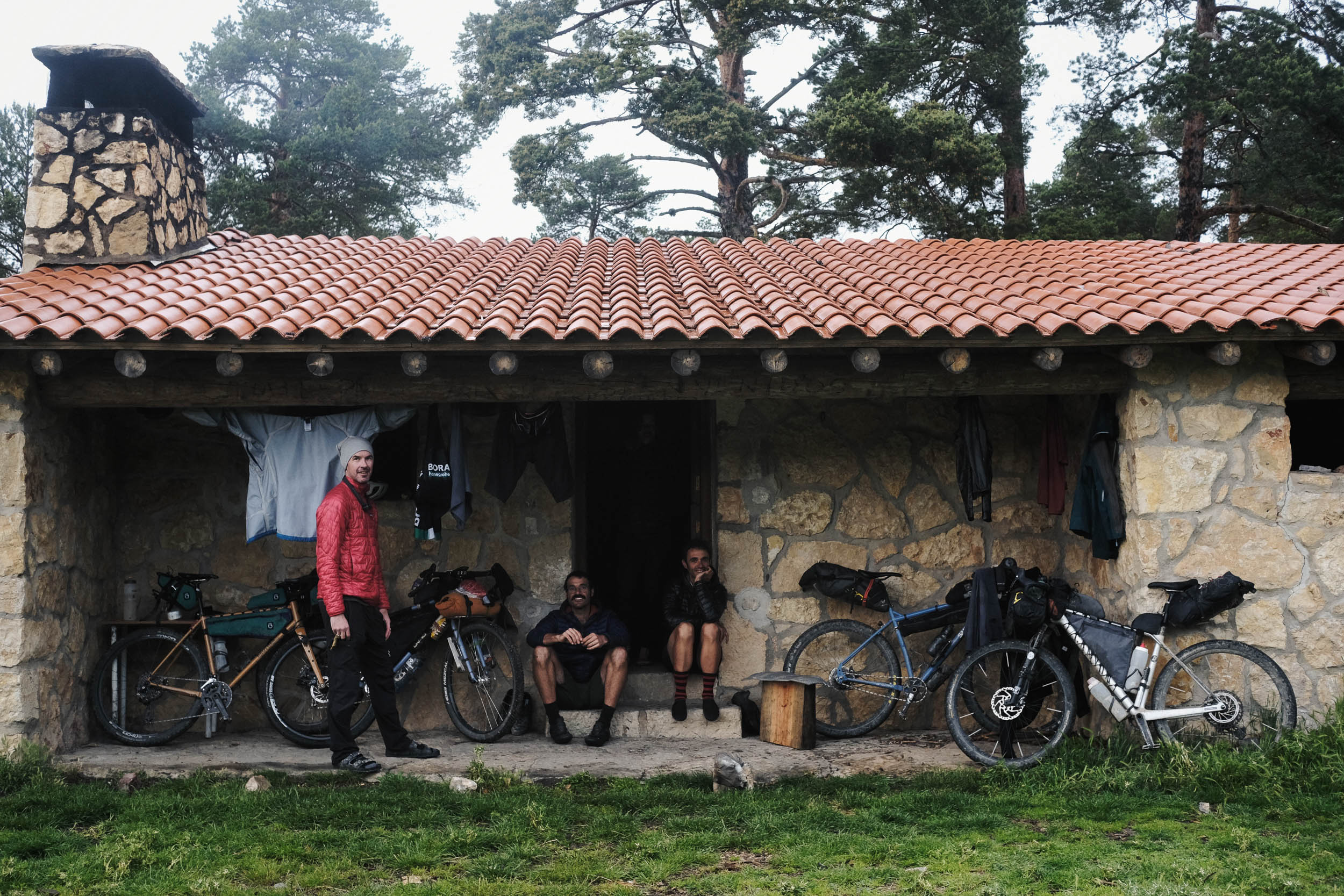
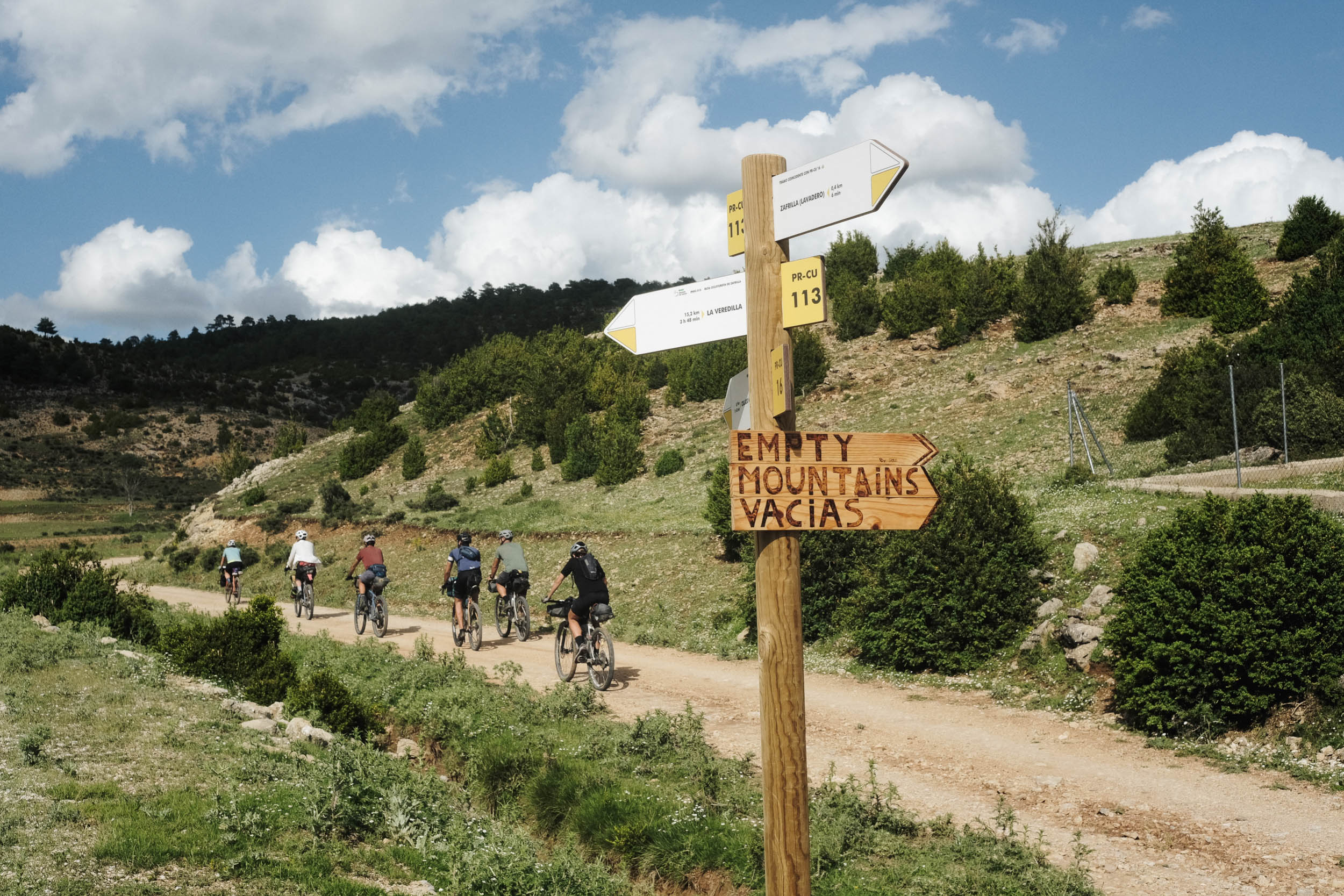
Capital forcibly converts our public commons into its private property in a process called enclosure, commodifying our work. On digital platforms, the corporation controls the means of production and distribution, the grounds of our very real community. They lay claim to the productivity of our commons—in Komoot’s case, users’ routes and photos and local knowledge—and convert it into a corporate asset that fuels their bottom line. Our labors of love become their product, and the quality and complexity drop as the platform churns out cheap and hollow algorithmic commodities. Essentially, they take over our rich old forest and turn it into their for-profit monoculture.
Enclosure by private interests interrupts the fundamental reciprocity of the commons, eroding its abundance over time. After corporate platforms harvest our data, their legal magic prevents it from circulating within our community. The fruits of our labor never re-enter large digital commons like Wikipedia and the OpenStreetMap project, which everyone, including Komoot and Komoot users, benefits from. Instead, it all stays within the corporation’s walls. We, the community that supplied the data, cannot remix and repurpose our collective treasure, for example, to build specific tools and datasets for different activities and regions. This represents a process of continual digital enclosure.

Similarly, Komoot’s core tech of Leaflet map, Graphhopper routing engine, and OpenStreetMap data are all free, open-source projects. This is in addition to all the open-source web servers, databases, and operating systems that tech companies build upon. They leech off the open-source commons, leaving keystone projects underfunded, stagnating with inferior functionality, UX, and security issues.11 Corporations aren’t predators, because predators play a crucial role in maintaining our ecosystems.
Generative AI enables corporations to enclose our knowledge commons, monopolizing our collective knowledge and, again, selling it back to us. Virtually all tech companies, including Komoot, are racing to integrate generative AI into their platforms, as it represents a generational opportunity to enclose all publicly available knowledge within their walled gardens. As if that weren’t enough, major AI companies go further by allegedly illegally training the large language models on copyrighted content at an industrial scale.12,13,14 This upends the already marginal livelihoods of authors, creators, and independent publications, eradicating keystone species from our forests. Then they force us into monthly payments to access our shared knowledge commons.
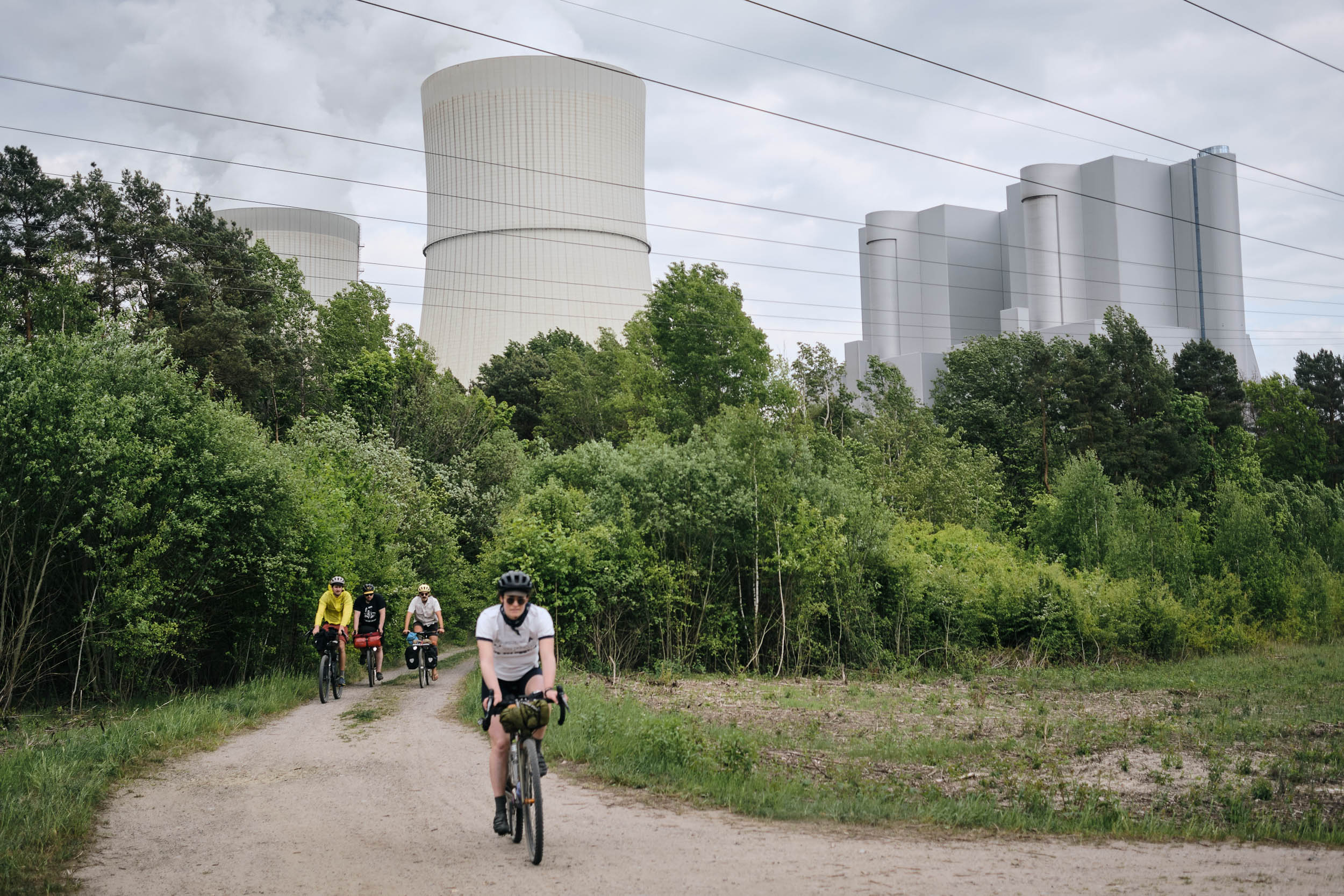

I assume user data and other adventure resources will be piped into the Komoot adventure chatbot. It’s fully in line with the idea of algorithmic routes and Bending Spoon’s strategy. On July 1st, 2025, WeTransfer, another company acquired by Bending Spoons, quietly changed its terms of service to allow for training AI models with user data, similar to recent attempts by Adobe, Zoom, Dropbox, and Slack. The company backtracked after severe customer backlash, but the intent and the systematic contempt for the user/rightholder are clear. Now’s the time to export data and close accounts, because once data is in the model, it’s stolen for good.
Digital enclosure is the continuation of the physical enclosure of land. This sophisticated form of digital extraction is so common that it’s almost unremarkable. But there’s a wrenching contradiction here between Komoot’s stated mission of “enabling access” to public land while privatizing and exclusively profiting from those very movements. They take our most meaningful encounters with nature and ourselves and sell them back to us for a quick buck. Komoot? Nein, danke.
This digital enclosure goes back to the violent enclosures of the commons and Indigenous land, and the expropriation of millions of commoners and Indigenous people that launched early capitalism and colonialism in the 16th century.15 The extractive, exploitative scheme continues as gentrification in our cities and the sell-off of the public land that we recreate on.16 In platform capitalism, we’re similarly expropriated of our digital common land.




Enclosure has a cultural dimension. It turns our rich old-growth commons into thin monoculture plantations. The singular profit motive kills diversity and homogenizes scenes, packaging, branding, and selling our culture back to us. We feel the vibe shift when corporations infiltrate our spaces. Clothing and equipment choices standardize, our squiggly routes start fitting the platforms’ templates, events must be televised, and our media is brand-safe. We get ever further out there, while growing more distant from each other and the world. We’re shilling gear and optimizing content and selling our adventures as a product. We’re trying to live the dream and get back to the forest we find ourselves working for the great lumber mill that is capital.
Riding bikes remains beautiful, despite being subsumed by capital. The original magic can still be found in less-managed stands like zines, campouts, non-commercial events, and, thanks to reader support, on BIKEPACKING.com. These are essential sanctuaries where we hold out, creating and connecting more authentically.17 But even these remaining stands are constantly pressured. Few of us have seen true old-growth.

Corporate capture poses a mortal risk to our communities. When our platforms, blogs, route authors, storytellers, organizers, and events depend on corporate deals, we’re letting the lumber mill own parts of our forest.18 We’re tied to the whims of executives and the shocks of the broader capitalist economy. Large swaths of our community are at risk of being komooted.
Operation Enshittification
Popularized by writer and activist Cory Doctorow, enshittification describes the bait-and-switch that unfolds on corporate platforms from happy early days to overt abuse of the customer base in pursuit of profit and shareholder value.19 The recent rug pull is not the beginning of Komoot’s decline. It’s merely the apex of a depressing trajectory followed by practically all corporate platforms in the enshittocene. As Bending Spoons needs to recoup their outlandish investment, the predictions offered by the theory of enshittification are already coming true.20
In the first stage of enshittification, the platform offers a lot of value so users join the platform and enliven it with their productivity. Historically, Komoot wasn’t bad to its users as far as tech companies go, creating a friendly, trustworthy image. A one-time payment, subsidized by the user’s data, unlocked substantial functionality and access to features many found useful. They didn’t sell user data to third parties, and ads and sponsored content were contained to the feed. Kept in check by mission-driven employees, bosses cannot implement features that detract from the product or abuse users too much. But after the mass firing, a major counterbalance is removed.
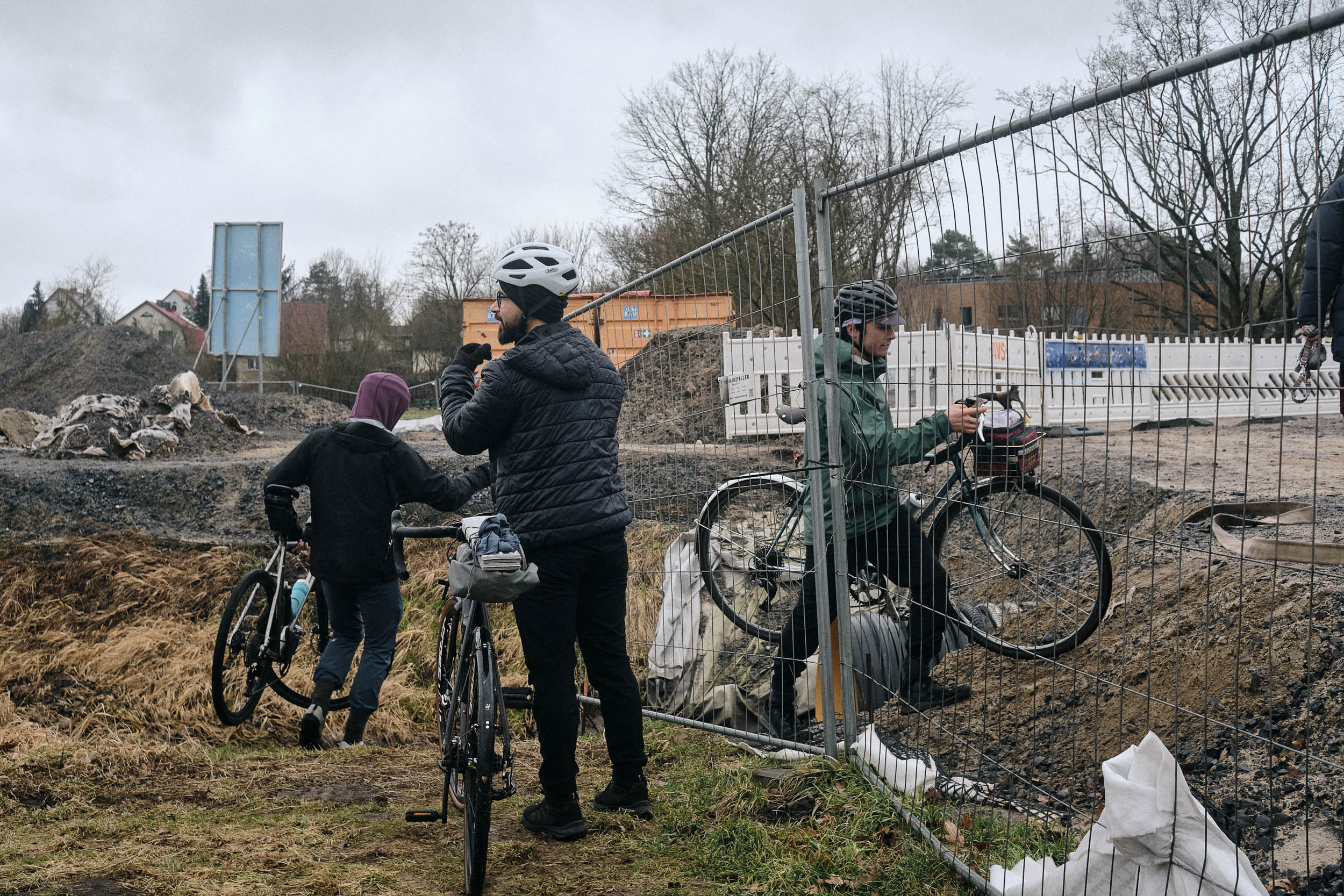
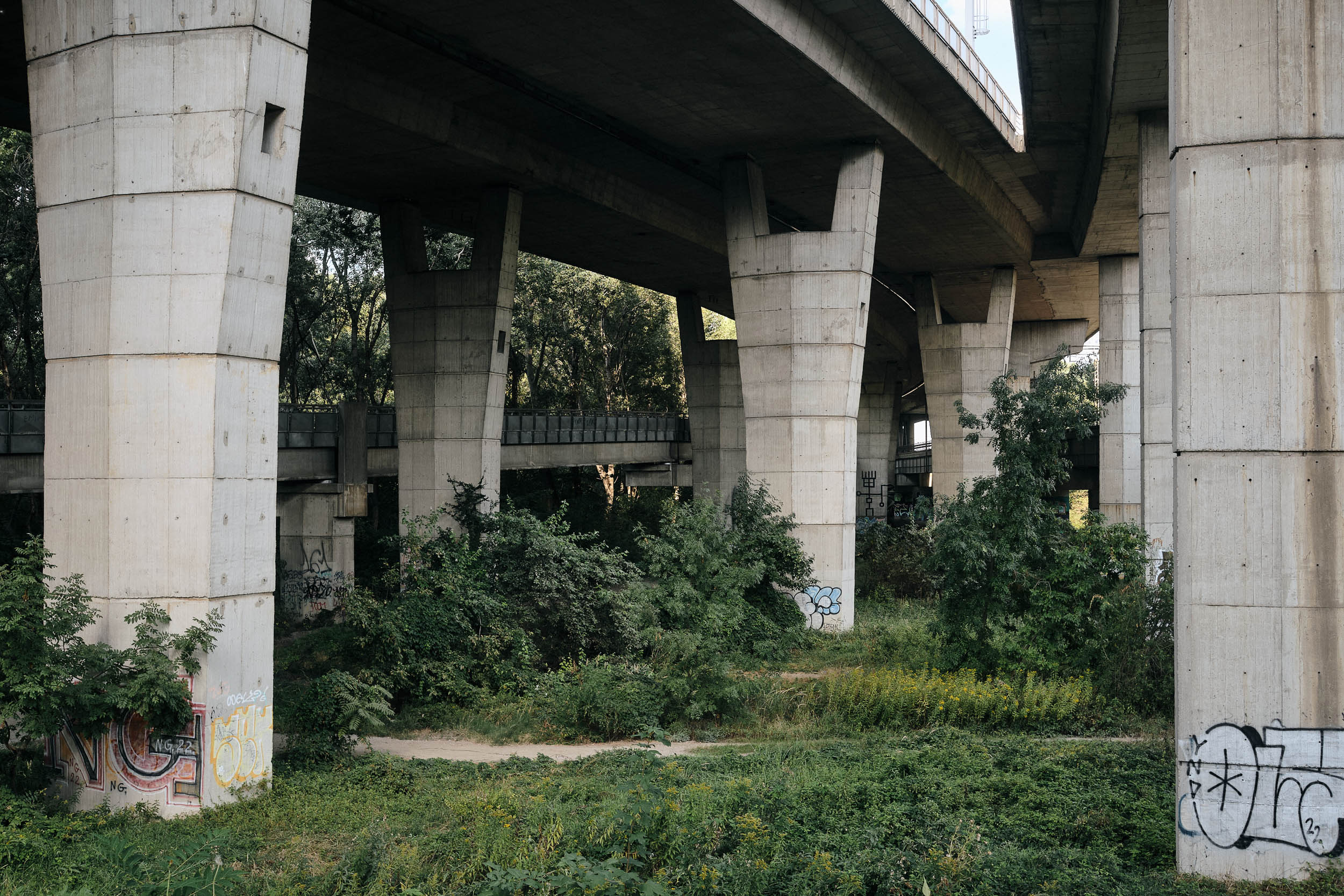
Once constraints on the corporation are lifted, platforms turn to pure rent-seeking—direct extraction of money without creating real value to users. The deal between the corporate platform and the users can and will be continuously altered to the owner’s advantage, degrading the user experience. Komoot is in the process of being enshittified like the Bending Spoons acquisitions WeTransfer and Evernote. Core features such as Garmin and Wahoo integration have been placed behind a paywall for new users. “Creative” friction is being introduced on free usage, as pioneered in WeTransfer’s gutting. Komoot users are being pushed toward pricier weekly plans; Evernote’s subscription price effectively doubled following the takeover. “Lifetime” access has been revoked on numerous other services.21
To further boost revenue, the owners may seek to attract more business customers, likely at the expense of existing users. This could involve more sponsored collections and ads not only in the feed but also throughout the product—billboards among trees. Selling user data to third parties would enable more lucrative targeted ads.
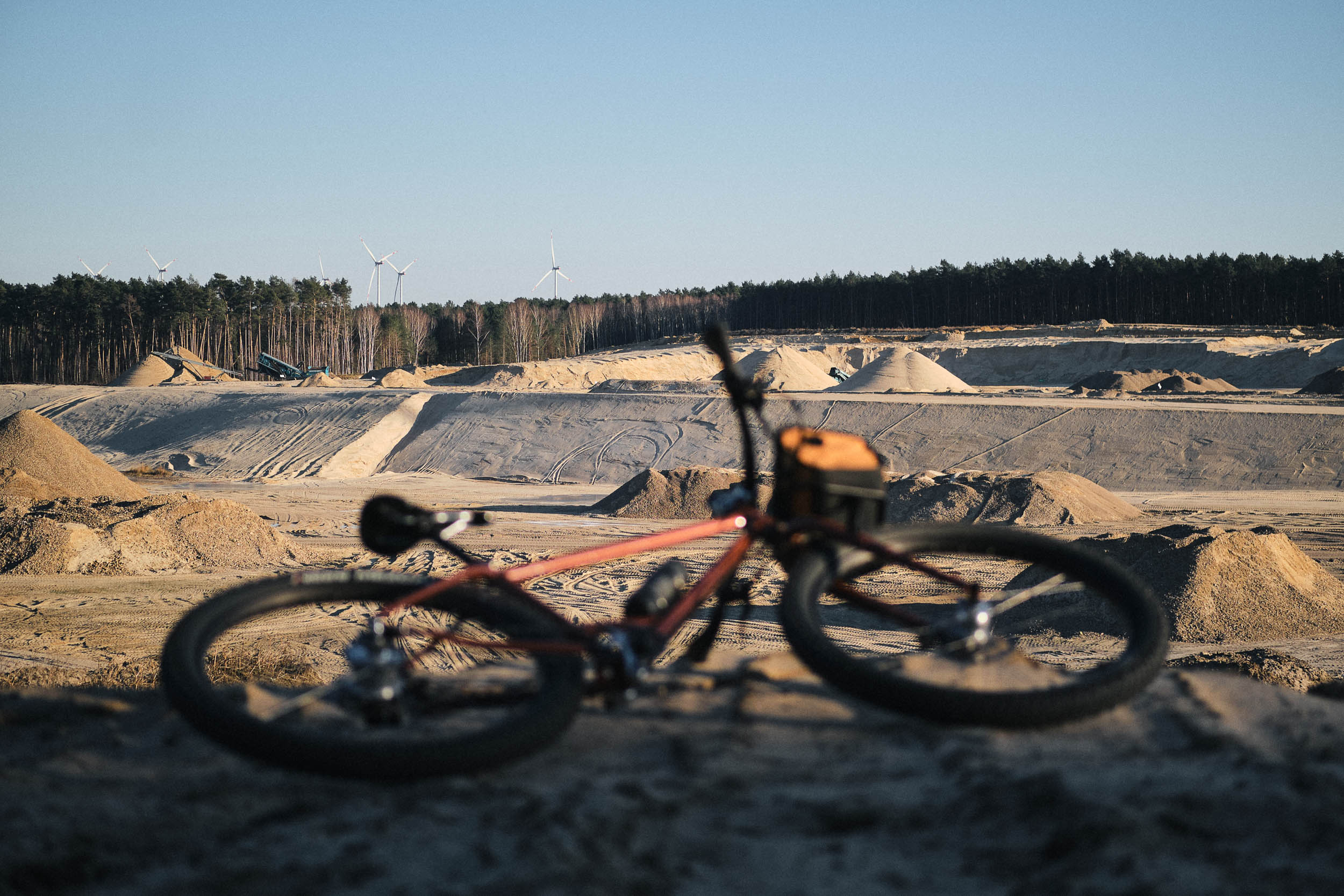
The corporation is always a vehicle for generating profit and capital accumulation, always in conflict with the interests of the user base. In the terminal stage of enshittification, this fundamental misalignment between the owners and users becomes painfully overt as the platform nags and abuses us on every screen. Yet we were being subtly exploited from the beginning.
Corporate platforms aim to capture users through any available means to maximize value extraction in the terminal stage of enshittification. When the platform becomes too overbearing or ceases to be useful, we’ll simply stop using it. To keep us on the platform, working for the owner’s profit, they capture us by exploiting our human need for connection and community. We struggle to break free when we stand to lose our social circle and proprietary convenience. But while Komoot has social elements, it remains a dorky route planner, not a social network like Facebook or Instagram. And if creating and sharing routes and riding bikes with friends is what it’s all about, that’s possible whether we’re paying Komoot or not.
Instead, Komoot holds our planning, documentation, and memories hostage to keep us trapped on the platform, providing free labor for the corporation. More restrictive than even the likes of Google and Strava, it’s not possible to batch export your own tracks, points of interest, photos, and notes directly from Komoot.22 A button to batch download your own GPX tracks in human-friendly formatting was temporarily added and then removed again a few weeks before publication. Requesting a data export via email in accordance with GDPR yields a practically useless data dump.23 Our community export tools provide an imperfect workaround for what should be bare minimum native functionality.
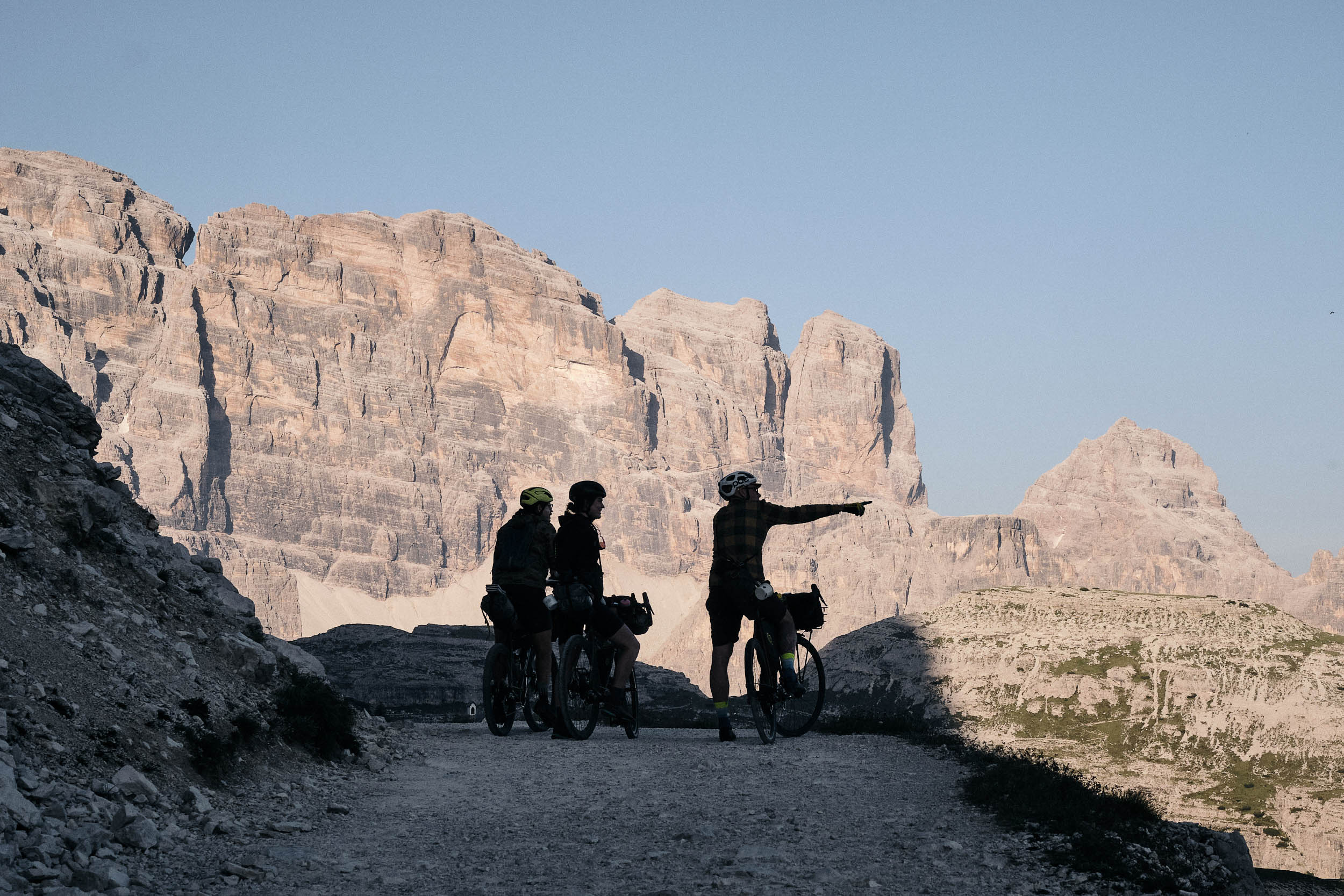
Ultimately, enshittification is a sophisticated scheme employed by profit-hungry tech corporations that maximizes value extraction as they invade our individual lives and communities relatively unchecked. The platform initially provides a lot of genuine value to users, luring us in to fill it with life. Then the mask is dropped and all value is clawed back, squeezing captive users in pursuit of profit and shareholder value. They degenerate into low-quality, ad-infested purgatory and are shut down after capital has extracted maximum value—the clear-cut.
Corporations don’t die like natural organisms. The wealth they extract isn’t recycled. But the scars on our lives and our commons are permanent.
No Other Land
We begin to see that the next corporate platform courting our favor is nothing but another trap. We cannot outfox organized capital with our individual choices. Underneath the marketing veneer and despite the best intentions of employees and possibly some owners, all corporate platforms are just different profit-seeking vehicles of capital. Corporations cannot be our friends or part of our community as they indifferently co-opt, enclose, and extract from our commons until there’s nothing left.
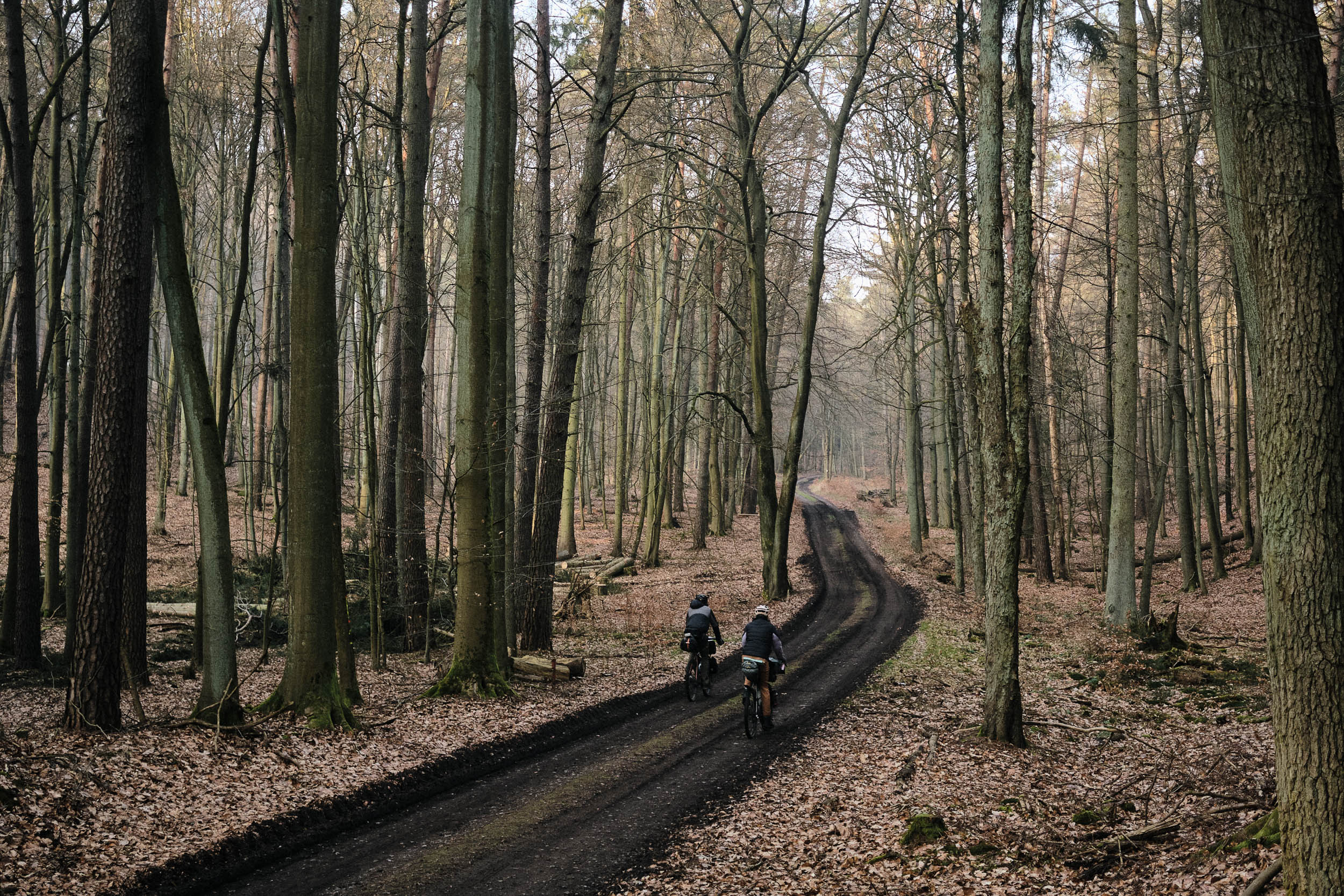
Yet the clear-cut also contains the seeds of the next old-growth community. At this moment, a rewilding of the internet is occurring in many places. A decentralized movement toward open, cooperative platforms that support real community, rather than zero-sum corporate walled gardens.24 Promising projects such as the Mastodon social network, Matrix chat, and Pixelfed social photo sharing are reviving the diversity and abundance of the early, independent internet before it was enclosed by tech giants in the 2010s. More than singular platforms, the Fediverse represents a growing ecosystem of open protocols and distributed services that guarantee freedom of movement for users and data and push back against capitalist enclosure—a diverse and resilient digital commons.
Komoot’s the latest wrenching reminder that corporate platform monopolies don’t work for communities. We need open-source, non-profit platforms that are owned and governed by the people. Enduring digital sanctuaries that are resistant to individual control and never up for sale, so we can build on them and benefit sustainably with material assurance. Wanderer.to is one such fledgling pioneer, still rough around the edges and missing many features, but Komoot also wasn’t built in a day. We’ll need different tools for our many niches, which flourish together through federation and interoperability.

Rebuilding polished corporate platforms in the public domain is no doubt an ambitious challenge. But Komoot, for all its flaws, is proof that we can and must do it. Employed and non-employed contributors, we created real value for millions of us, despite the commercial constraints. Painfully for us, capital compromised that project from the start. But we have the talent and experience in our ranks, and capital does not. We know how to organize ourselves better to avoid another komooting. Difficult work for the betterment of the community is just what we do.
The fight for digital justice is not more important than fighting ecocide, genocide, war, fascism, and the climate emergency. But as Cory Doctorow writes, “Free, fair, open tech is a precondition for winning those other fights. Winning the fight for better tech won’t solve those other problems, but losing the fight for better tech extinguishes any hope of winning those more important fights.”25

In understanding our community as coupled to the health of our commons, we begin to see other commons and communities in the world also under fire. The forces that enclose our routes and knowledge and culture are the same forces that enclose public land for industrial logging and mining and farming. Our digital commons will flourish when we dismantle the system that creates monocultures, coal plants, and hydro dams. We start to see that these are connected struggles—we fight for equitable and abundant old-growth everywhere. We form one ardent, solidaric front that fights for each and all life on the commons of Planet Earth.
Our routes, our events, our gear, our stories, our media, our platforms, our organizations, our people—we critters of the forest draw from and contribute to our commons whether we know it or not. It’s the grounds that launch our most ambitious journeys and the grounds that catch us on return. It’s the grounds of our community, the grounds that make our very selves. Against the extractive forces of capital, our commons need our redoubled, material protection. Because only through our commons are we able to do this most meaningful work—constantly regenerating our commons, and thereby ourselves, without corporations in the way. All day, every day, we’re doing it already.
Big thanks to my friend Michael and the bikepacking commons for helping me find my way and these words. ChatGPT was used to parse Komoot’s terms of service and privacy policy.
- https://www.manager-magazin.de/unternehmen/tech/komoot-nach-verkauf-will-wander-app-mehr-als-50-prozent-der-stellen-abbauen-a-7a7db9b2-3e1e-4f9d-a5dc-707453ad1f60
- www.neuenarrative.de/magazin/komoot-gruender-verkaufen-an-beruechtigten-techkonzern
- https://medium.com/neue-narrative/ohne-anfassen-1a5ccb1675e2
- https://www.manager-magazin.de/unternehmen/tech/komoot-mitgruender-tobias-hallermann-spricht-ueber-den-ueberraschenden-verkauf-a-7ebec575-5047-4d3d-b3c3-4bb534df5680
- https://www.businesswire.com/news/home/20250320568940/en/Bending-Spoons-Acquires-komoot
- Seeing Like a State (James C. Scott, 1998)
- https://omr.podigee.io/439-omr-434-mit-dem-komoot-ceo-markus-hallermann
- newsroom.komoot.com/238611-komoot-knackt-40-millionen-marke-bei-registrierten-usern
- https://www.tu.berlin/entrepreneurship/startup-support/unsere-startups/container-profile/startups-2009-komoot-gmbh
- Rethinking Enclosure: Space, Subjectivity and the Commons (Jeffrey, McFarlane, Vasudevan, 2011)
- https://werd.io/what-is-open-source/
- https://garymarcus.substack.com/p/meta-pirated-at-least-101-of-my-books
- https://www.wired.com/story/anthropic-ai-copyright-fair-use-piracy-ruling/
- https://www.wired.com/story/ai-copyright-case-tracker/
- The Many-Headed Hydra (Peter Linebaugh, Marcus Rediker, 2000)
- https://bikepacking.com/news/five-bikepacking-routes-under-threat/
- How to Do Nothing (Jenny Odell, 2019)
- https://bikepacking.com/news/specialized-terminates-adventure-ambassador-program/
- Enshittification was originally articulated for two-sided marketplaces like Facebook and AirBnb but can be usefully applied to the case of Komoot, too.
- Komoot’s sale price of €300M represents a high valuation for a startup, approaching a 9x revenue multiple based on its gross revenue of €35M in 2023.
- Numerous cases documented by tech activist Louis Rossman, e.g. https://youtu.be/WXV4VDvseIE?si=MWT2_9JmbDLW3YLJ
- Downloading a single GPX file requires multiple clicks. Komoot does not provide an obvious way to download Highlights and Collections saved and created by users.
- https://gdpr-info.eu/art-20-gdpr/
- https://words.werd.io/the-unbearable-monopolization-of-being-c1d73295debb
- https://www.noemamag.com/freeing-ourselves-from-the-clutches-of-big-tech/
Read the original article

Comments
> Komoot, to them, was more than a job; it was a mission and purpose. Many had accepted below-average salaries and uprooted their lives to commit to the outdoor lifestyle and the dream job. Suddenly, they were left scrambling for new work and visa sponsors with just a few months’ pay as severance. The six bosses, meanwhile, pocketed an estimated 20 to 30 million euros each.
That’s why, and call me unethical, I never do more than necessary at work. Never help outside of business hours, never engage with rich bosses. Switch every 2-3 years to new places. Maximise my income (in real money, not imaginary stocks) while trying to work the minimum.
For dreams and craft, I have my side projects.
I'm gonna copy paste a comment I wrote yesterday that I think fits perfectly here:
As an engineer if you are gonna be a rank and file employee you need to do it for your own reasons. I think the main good reasons to do it are:
1. It's relatively chill and you value the stability. You deliver competence from 9-5 then go home to your family or some other thing that's more important to you than work.
2. You really enjoy the pure engineering side and find meaning in the technical artifact you're creating. Probably it's open source and has some value/community outside of your employer.
3. You're gaining valuable experience that you can later leverage into something else. Probably you're in the first 5 years of your career.
If the main thing driving you is growing a business, and you don't directly own (not options or RSUs or whatever, actual real equity) a significant slice of it, you are very likely misdirecting your energy.
---
It sounds like the staff here thought they were in case 2, but they were not. I think that the article explains the reason why nicely: the thing they were building was not part of the commons.
This is a shame though. We should work towards a world where most people can find meaning in what they do.
For now it can work better to be a contractor and have your 'meaning' be a positive reputation in your industry.
More like being a medieval blacksmith. You don't mind what you're making, but you're known in your village by the quality of your work.
You can be in case 1 and find meaning in what you do. That's where the blacksmith is.
There's absolutely nothing wrong with doing a good job for 40 hours a week in return for a salary. Being a competent professional who does quality work is rewarding!
I just think if you're doing work of that nature (which _most of us are_, BTW) you need to recognise it for what it is. Don't burn yourself out trying to squeeze every drop of initiative/creativity/productivity out of yourself. Definitely don't answer emails at the weekend. Don't tolerate under-payment. Don't accept non-legally-binding promises from the boss.
Just deliver the best work you can in the time you get paid for, then stop.
At the same time we can maaaaaaaybe start pushing back on all of the "capitalism is not the problem" and "capitalism is the least worst of all available options" memes?
Or is it too soon already?
The problem with capitalism is that something like it (concentrated power begetting additional power at the expense of most of the populace) is nearly guaranteed to crop up in a society which doesn't burn resources actively fighting against it. When fishing for alternatives then, you have to consider:
1. What fraction of our resources do we want to burn while eliminating which of the worst parts of capitalistic tendencies?
2. How do we preserve diffuse power distributions in the face of actors who will actively work against that goal?
Not to trivialize it too much, (1) is just a policy decision. Being completely hands-off is probably sub-optimal. Burning 100% of resources fighting fraud and other abuses isn't ideal either. It's a reasonable framing though for comparing strategies. There's no free lunch, so if somebody sells you a governmental structure which eliminates the worst parts of capitalism without _some_ cost, it's likely snake oil.
Point (2) is the harder one. The majority of people wouldn't mind a little extra power and a few extra resources. If that's possible, it's also (usually) possible to create sub-populations which together have much more power than other groups and thus subvert the goals of your anti-capitalist strategy. How do you create a system that's robust against most individual participants (potentially inadvertently) working against it?
So, sure, let's do away with capitalism. What do you replace it with that's both better and won't revert back?
By appreciatorBus 2025-07-2715:32 Yes this is the key point imo - power begets power in any system.
However diffuse power distributions aren’t a panacea either imo. As an example, I hold no particular power over the other tenants in my building, and they hold none over me, the building owner has significant power over all of us. It’s easy to imagine a future with no landlord, and the power over the plot of land being diffused among the current tenants. But then I would have some degree of power over my neighbours, and they over me, and all sorts of abuses and nastiness are possible there.
An uncomfortable possibility we should take seriously is that there might not be a perfect distribution of power in human societies. That whether power is concentrated or diffuse, it will be used for good and for ill.
I am not claiming that I know the answer, or that today is just the best that we can do, but I am pretty sceptical that we can wave away these fundamentals, or that we can design or plan societies like this.
By pydry 2025-07-2713:46 This isnt really about using "resources" to fight fraud. None of this was illegal and it was all very profitable - it was encouraged.
This is about us consenting to capital being put at the very heart of society's locus of control, which is what drove this kind of parasitism to be encouraged rather than discouraged.
It is a unique feature of western (especially American) society - something which actually isnt represented in other power centers.
China has "private equity" for instance, but it's not really private - it operates like all financial institutions as an arm of the state (not run by capital) and has no real incentive to destroy healthy and valuable companies for profit.
By appreciatorBus 2025-07-2713:281 reply All of the same human dynamics will be present under socialism or communism or whatever you prefer.
Under capitalism, a boss might try to persuade you to work hard harder than you might otherwise for dubious or illusionary future reward.
Under some form of collectivism, there will still be pressure to attend some sort of goal, even if it is non-financial in nature. That pressure will ultimately come in the form of a leader of some form, and one of the tools they will have to achieve that (possibly collective) goal will be to persuade you to work longer and harder than you might otherwise for some dubious or illusionary future reward. Perhaps this future reward won’t be in money, but that won’t change the underlying dynamic.
You could equally argue that there is no point making murder illegal because "all the same dynamics leading to murder" will still happen. They will. Society exists to either curtail or encourage our instincts for a collective purpose.
This is not about that.
This about an institution being rewarded and operating entirely within the law which takes a valuable asset, systematically disenfranchises the people who made it valuable before parasitically sucking it dry for material gain.
That is a pretty unique capitalist dynamic, actually.
By appreciatorBus 2025-07-2715:201 reply You’ve moved the goal posts.
First, we were talking about an outcome – exploitation of workers.
Your claim, if I understand you correctly is that this outcome is inevitable under capitalism, (perhaps solely possible under capitalism?) and then under some other system you prefer, it would no longer happen, or perhaps be impossible.
My contention is the incentive to exploit exists in all socioeconomic systems, even collective ones. This doesn’t mean there’s no better system, or that we should stop caring, or that we should have no laws regarding it. But if correct, it means the arguing that your preferred system cannot or will not have this outcome, is weak and unconvincing.
Instead of engaging directly with the claim, you pivoted to implying that my argument was that we should not have laws against bad things.
Under capitalism: Both murder and worker exploitation should be illegal. Both murder and worker exploitation will likely occur to one degree or another.
Under collectivism: Both murder and worker exploitation should be illegal. Both murder and worker exploitation will likely occur to one degree or another.
If you want to argue that collectivism is better for other reasons - go nuts! But if your argument is that there will be no power hierarchy, no pressure to achieve goals, and no incentive to exploit then I just don’t think you’re serious.
By pydry 2025-07-2721:16 No. You moved the goal posts actually.
We werent talking JUST about an outcome, we were talking about a process triggered by private equity that destroys value AND exploits workers and rewards the people who do it.
It's not like there are good options out there. USSR showed what state-controlled socialism looks like, and the picture is not pretty. A most damning example is that it was impossible to leave USSR during the most of its existence, and people had to do crazy things like jump off cruise ship and swim many miles [0] just to get out of country.
If I have a choice between being jailed in the country and having VCs drive some companies into the ground, I'd choose the latter every time.
By dragonwriter 2025-07-2717:182 reply > It's not like there are good options out there
Yes, there are.
> USSR showed what state-controlled socialism looks like, and the picture is not pretty. A
The USSR and other Leninist-derived regimes showed what one narrow set of models of authoritarian state “socialism” looks like, sure, and its not pretty just like the pure private capitalism that was generally abandoned netween the early and mid 20th century for the modern mixed economy was not.
OTOH, Leninism and its authoritarian state capitalism (that is, featuring a narrow elite that control society via control of the non-financial means of production, just as the private capitalist class does in private capitalism) is not the only option to to the presently dominant mixed economy that reduces or eliminates the private capitalist elements.
Democratic market-oriented socialisms where the private firms still exist but the non-financial means of production are controlled (either entirely in pure forms, or simply more than in the status quo systems in forms which are still mixed economies but with a different mix) by those working in the firms employing them are possible. In fact, variations along this dimension already exist among modern mixed economies, and the ones further along it are not the limit of how far that can go.
I'd love to hear about examples.
Sweden tried to become more socialist in 1970s-80s, and it did not look pretty. (Then Mr. Palme was shot and killed.)
Venezuela... well, does not look like an enticing example either.
I would say that socialism as a state-imposed regime does not work, same as communism. BTW communism does work in communes of like-minded individuals, be it a bunch of hippies or a bunch of monks. The key is self-selecting people who subscribe to that way of living voluntarily. This can't work for a whole country.
OTOH what the TFA suggests does work, exactly because mission-driven open-source projects / foundations and non-profits attract the right kind of motivated people, while providing little to no incentive for entities seeking pure profit to take over. Debian is one example: it exists for decades in the normal capitalist economy, is going strong, and shows no signs (and no ways) of selling out.
This, to my mind, is the future. Maybe 50 years from now our grandchildren will be appalled by the fact that we kept giving our free labor and free time to for-profit entities which did not have our best interests aligned with theirs.
By aspenmayer 2025-07-282:06 > I'd love to hear about examples.
https://en.wikipedia.org/wiki/Project_Cybersyn
> The principal architect of the system was British operations research scientist Stafford Beer, and the system embodied his notions of management cybernetics in industrial management. One of its main objectives was to devolve decision-making power within industrial enterprises to their workforce to develop self-regulation of factories.
> Project Cybersyn was ended with Allende's removal and subsequent death during the 1973 Chilean coup d'état. After the coup, Cybersyn was abandoned and the operations room was destroyed.
Yes, it's that Stafford Beer:
https://en.wikipedia.org/wiki/The_purpose_of_a_system_is_wha...
Yeah, it's always "wrong socialism" when it's built. But the next one (after the next one, after the next one, after the next one) will be the right one and will not murder millions of people, despite the previous attempts doing exactly that. Please go away already, we had enough of suffering caused by ivory-tower theoreticians unable to perceive the reality.
It's important to remember that when the British Empire triggered a famine in Ireland justifying it using the free market, it had nothing do with capitalism.
But when Stalin murders millions with a famine, it's all communism's fault.
This is rightthink, and belief in it is the model for being a good little citizen. Wrongthink would be to consider both of these crimes to be separate from the economic system which they were committed under.
By smsm42 2025-07-2819:24 I know a number of places where you were rewarded for "rightthink" and could be imprisoned or murdered for "wrongthink". Most of them had been countries having "People's Democratic" or "Socialist" or something in that vein in their names. I'm sure that's also a pure coincidence having nothing to do with those systems. Though, to be fair, modern followers of those doctrines made a serious headway to implementing the same approach in countries which don't have such words in their names and even considered "capitalist", so I assume in a short while you'd have another excellent argument - that freedom of speech also wasn't particularly suppressed by totalitarian (which is, all of them) socialist governments, it's just something totally separate. Which always happens under socialism, but that's just a coincidence, and it was a wrong socialism anyway, under the right one it won't happen.
By ml-anon 2025-07-2810:30 Are you just ignoring the whole capitalist systems killing millions of people then?
By galfarragem 2025-07-2811:45 IMO, the most dangerous (and unique) characteristic of socialism is its immortality and capacity for reinvention. It is indestructible as a vision.
There are many better options right now then US-style kleptocapitalism. Just look at the HDI index.
How about good ol' morals? We don't need to get rid of capitalism, but how about getting the proportionality back on track? Does a single person need to make billions and billions of money? Should I, as a CEO, earn millions of dollars while my workforce can barely survive with one job?
I don’t think so. This is what needs to be fixed on a global scale.
By dragonwriter 2025-07-2717:211 reply > How about good ol' morals? We don't need to get rid of capitalism,
Yes we do. Capitalism, even at the somewhat attenuated level it exists in the modern mixed economy compared to the original system of the same name, creates too strong of a reward system for immoral behavior to correct the moral problems while preserving the system.
“It is difficult to get a man to understand something, when his salary depends on his not understanding it,” is a systemic, not isolated individual, problem with capitalism.
That's true to an extent but I think that problem increases as that salary (or, more likely, capital gain) increases. So just limiting total wealth increases would likely reduce the temptation to sell out.
By dragonwriter 2025-07-2817:541 reply Well, sure, but that limitation is very much contrary to capitalism. A very good idea, but definitely moving away from capitalism.
By BrenBarn 2025-07-318:46 Sounds good to me! :-)
By BobaFloutist 2025-07-2715:31 It depends. Is your theory of change to push a welfare state, gradually increase the welfare, raise taxes to redistribute wealth, achieve UBI, fully fund public healthcare, housing, food, water?
Or is it that any day now workers are going to reach unanimous consensus and go on a national strike, siezing power from the owners of capital? Or maybe a violent revolution in which the bourgeoisie and class traitors get guillotineed alongside the capitalist oppressors?
By terminalbraid 2025-07-2710:581 reply What's your reasoning equating "a medieval blacksmith" serving a village directly with their own work and "a rank and file employee" which is how the post you're commenting on was intentionally framed?
By A_Duck 2025-07-2711:03 I'm contrasting rather than equating them.
The medieval blacksmith / freelancer may be in a better position to feel meaning in their work, compared with an employee, because of the system of incentives around them.
By pjc50 2025-07-2711:33 I'm reminded of the Vshojo collapse just recently, where a whole load of people were convinced that not getting paid on time was a temporary necessity for growing the business.
Which promptly imploded, taking stolen charity donations with it.
By leokennis 2025-07-2815:38 Or the combination of 1 and 4. If a company is willing to pay you a lot of money for “9 to 5”, there’s all the reasons in the world to just take it.
By lycopodiopsida 2025-07-279:592 reply There is nothing unethical about: you are doing the only sane thing in this system and economics. Morons, who work themselves to death believing bosses shit-talk about “our mission” and “we are in this together” will learn it the hard way.
In principle, we can imagine jobs that contribute positively to the world.
When a builder builds a house, or a doctor mends a broken arm, the community has one more home and one less broken arm - and the community is left richer even after the builder and doctor have been paid.
That house will be keeping a family warm and dry 20, 40, 100 years into the future, and the patient will be using that arm for the rest of their life.
I can see how a person with a job like that could take pride in the fact they've contributed to their community, in addition to the fact they've gotten paid.
Of course, a lot of jobs aren't that way, but have tricksy bosses who will try to convince you they are. Which is what it sounds like happened in Komoot's case.
By const_cast 2025-07-2721:55 The unfortunate reality is that a lot of jobs don't exist to enrich the community, they exist for the exact opposite purpose. They exist to make the world a worse place. They exist to make people sicker, or cause more children to die, or maybe even to accelerate acts of war.
You don't need to do good things to make money. You can do bad things and make lots of money, and actually, that's typically a little easier. You can even create your own unique evils and then sell solutions to them.
By kelvinjps10 2025-07-2712:491 reply In the workers side they could be doing good but on the corporations side not, like insurance companies charging way more for the broken arm than it should be and the house prices being way more higher than they should
By goopypoop 2025-07-2715:00 plus the sepsis and subsidence
Try saying that on LinkedIn and watch the reactions. There is a huge difference between what you can feel and do, and what you can say.
I saw a post recently on linkedin. A founder was saying "If you had one year to live, would you still choose to work at this company? That is the bar to join <crappy nonsensical startup>". It was so incredibly sad.
By lycopodiopsida 2025-07-2712:14 Since slavery is forbidden, morons are the next best thing, I guess.
Managed to find it again, there you go: https://www.linkedin.com/posts/arnau-ayerbe_met-brian-chesky...
By oc1 2025-07-287:51 Way more depressing than i thought. If that's what these YC folks are even in public, i want my time back wasted listening to their messages.
By aleph_minus_one 2025-07-2811:32 Interesting:
"How fast do you want to learn?": in my experience many companies in my opinion don't want employees that learn fast, because otherwise these employees would immediately see and call out a lot of bullshit.
"Would you feel ownership on day one?": in my experience many software companies don't want employees to really feel ownership about their code, since "ownership" means that the respective employee will be willing to fight hard that his vision of this "owned" code is retained and this code won't be "tainted" by "unworthy" ideas of other colleagues.
By benterix 2025-07-297:57 Wow, this is low even by LinkedIn standards.
By prmoustache 2025-07-2711:12 Why would you say anything on Linkedin in the first place? There is absolutely no reason to engage there unless you are PR for a company or self proclaimed career ̶c̶o̶a̶c̶h̶ liar.
By baq 2025-07-2710:14 If you are in a game of smoke and mirrors, you play the game according to the rules.
I don’t post on LinkedIn. Got better games to play.
By lycopodiopsida 2025-07-2711:43 Well, if your boss doesn’t say what they think, you shouldn’t either. And why would even consider posting something to linkedin, in the first place?
By Simon_O_Rourke 2025-07-2719:13 > There is a huge difference between what you can feel and do, and what you can say.
Agree 100% - if I were to bring my authentic self to work I'd be fired in about a minute flat.
As a warning: every time I’ve pushed hard, then had to rein it in and do less, I’ve gotten fired.
There’s nothing you can do that makes you irreplaceable, even if you’re the only one in the world that can do it.
It’s fine if you want to stay in your happy place as the only one that can do X and then keep selling them on the value you provide and how you’re doing big things. But, nothing lasts.
Don’t burn out, but sitting on your ass is a bad strategy.
Don’t do that then. Work on 90% with bursts of 130%. Don’t work on 120% all the time because it’ll be assumed you’ve gotten lazy when you just need to slow down.
The definition of “100%” varies.
In U.S. even though a full-time job is “40 hours”, many in non-government jobs put in more. The “120%” spoken of would be 48, so let’s say roughly 2 extra hours a day, so 7:30-18:30 with an hour lunch. Tech startups in my experience are usually 44-46 hours for low-mid IC dev or more if higher or any lead/manager responsibilities. Some dev/IT managers may be on-call most of the week. But some people literally are working 40 hours/week.
Other countries “100%” hours/week are roughly: Europe 35-40, Eastern Europe ~40, India 45-55, China 45-50, Africa 40-50.
And similar applies for dev/IT startups and management.
Some work > 100 hours week on average, but I think that’s difficult to do in dev/IT for more than a month at a time without burnout, even if you just keep hitting a button over and over.
By Sammi 2025-07-2813:07 If a country expects 40+ hours on average then they should also expect an inverted demographic pyramid within a generation or two. Many such cases. It's a great way to commit national seppuku.
By ponector 2025-07-2711:55 The goal is to not push hard from start, to set up moderate expectations.
The recipe of success is also to do a little bit more (15%) than your colleagues, be reliable and punctual.
By Simon_O_Rourke 2025-07-2710:41 > That’s why, and call me unethical, I never do more than necessary at work. Never help outside of business hours, never engage with rich bosses. Switch every 2-3 years to new places. Maximise my income (in real money, not imaginary stocks) while trying to work the minimum.
That's not unethical at all, in fact I think that's a highly intelligent strategy to look out for the little guy (namely you) in the bear pit of tech capitalism. Anyone buying into the "we're more than a company, we're family" schtick is just another sucker to be worked remorselessly to line the pockets of the VPs and C-suite.
My previous employers included me in their Director/VP meetings, and the family schtick evaporates pretty quickly when they start talking cuts. One VP in a meeting, quite literally, proposed laying off an entire team of veteran engineers (most with young kids) and the very next thing that came out of this doucebag's mouth was "are we ordering in some lunch?". They do not care a whit about you and once you realise that then you should just look to yourself first and foremost and forget accepting below-average salaries just for some "mission".
They will happily kick you to the curb for any of the following reasons, which I have personally witnessed in the past few years,
- Their pal is looking for a job that's currently occupied by someone else. So they fire and hire.
- They want to deflect blame for their own failures, so they fire a bunch of folks who had nothing to do with the failures.
- They want to appear 'ruthless' to the CEO, so fire people to enhance their own image.
- They do a clear out of their previous incumbents staff once they replace someone and bring in their own crew.
By mellosouls 2025-07-2712:013 reply This approach doesn't work ethically if you are working for (say) public service organisations.
There's also the argument an abundance of cynicism - as well as being occasionally aimed at a misjudged target (eg you work for bosses who do try to do the right thing) - is corrupting to the self and wider society.
By astrobe_ 2025-07-2712:53 > This approach doesn't work ethically if you are working for (say) public service organisations.
This remark is specially apt with regard to the leitmotiv of TFA; one sees, indeed, an entirely different picture when the goal of an organization is something else than growing and making profits.
By carlosjobim 2025-07-2712:411 reply Of course the argument works for everybody who works in public service. You do the duties you are paid for. If you think that's not enough you are welcome to volunteer for free.
By gus_massa 2025-07-2714:40 I agree. Or if the task is so important they should get a bigger salary.
By NoGravitas 2025-07-2812:42 Somewhat disagree. If a public service organization is demanding more than that approach, it either needs to hire more people, or manage projects more effectively. I'll take a lower salary for public service, but it doesn't help anyone for me to burn out.
By javcasas 2025-07-2712:35 > it was a mission and purpose
Is this "we are a family here" for the people that don't fall anymore for the "family" con?
This is the approach that most workers took in our eastern European countries during socialist era.
It was shitty. Pretty much all services were terrible since people just did the minumum.
I've noticed US going down this path for a few years now and I can't figure out why in the frigging world would you cheer on towards such horrible society.
All the best places I've lived at were great because people cared about the jobs and other work they did.
There’s nothing wrong with caring about your job and what you do. Just don’t buy into any of the horse shit about missions and so on. The bosses are ruthlessly capitalist so it’s immoral to expect the workers to be any less self interested.
By 010101010101 2025-07-2712:28 I like to remind those I mentor that The Company’s sole goal for their employment is to extract more value from them than they are paid - not because The Company is evil, but because that’s just what’s required in a capitalist endeavor. But, what it does mean, is that you shouldn’t feel like you owe any company anything - the goal of any for-profit corporation is to extract more value from you than they give back to you, period.
> For dreams and craft, I have my side projects.
In very infrequent cases can you achieve any noticeable (for society) results without being part of a large org.
That depends on what you consider noticeable. A lot of things are noticeable (and noticed) on the local level. The folks that organise reading sessions with the kids a my sons school. The people managing the local hockey club. People doing local education in IT. Organizing the neighborhood meetup. The people that do hack and tell. Blog about what they’re doing by as fun projects.
They may not be known beyond their local communities, but they have impact on society. Most of them are contend with that. If you’re looking to change the world, then that’s likely not good enough, but then again, if you’re looking to do that it’s unlikely that you will achieve that as a rank and file employee in a corporation.
By tdiff 2025-07-2712:12 I agree, but I also see how even a regular employee in, say, space travel corp (or in pharma and so on) can consider their work to be more impactful than running a local community (even in reallity their impact is minimal).
By benhurmarcel 2025-07-2714:21 There’s some maturity in being happy doing things that are not significant for society.
By atoav 2025-07-2712:44 Bosses always want workers who treat their job and the company like family, but when it comes to them treating their workers like family somehow it is all about the numbers and they barely even treat them like people (if the law permits it).
It may seem over the top, but my feeling is we as a society need to stop accepting, excusing or even applauding behavior like this for our own good. This should be a stain on their names for the rest of their lives and the rest of society might consider treating them as outcasts.
I know this is an extremely unpopular position to take on a platform where half of the people dream of creating a company, pretending it is the mission of their lives, just to sell it to the highest bidder and live a life in luxury after. Everybody has to watch out for themselves they would say. If your goal is to leave the planet worse off than before that is the sure way to do it. This is a model for a society of sociopaths who kill everything good and it is time we start putting up some resistance.
By zzzeek 2025-07-2711:32 Yup, when headhunters reach out with all these idiotic startups that I know full well are just playing the game of "see if you can bullshit long enough for someone to buy your useless company" I don't even laugh anymore, just shake my head. If you have real life obligations and can't afford to hop jobs every year, never work for a startup.
I felt betrayed as well. Just paid €30,- the month or so before because I liked the app and the service, but I also needed more maps. It offered great value to me. If I knew 80% of the employees would be fired, inevitably leading to a degrading service, I would have never done that.
It is weird, but I do not trust the app any more in planning routes either. Sometimes i have the feeling bugs in the planning part already appear. The stability of the service for sure decreased.
Also there are more nag screens about the premium offer (dude I paid for the other great offer already!).
Very unhappy with this. I hope the komooters build an alternative. I’m happy to support them. I know that eventually I might get betrayed again.
For today I planned another route with komoot. If somebody knows an alternative? I like the komoot user photos because it gives an impression of the (gravel) roads. Plus the suggested routes and the planning ux are great. Im stuck with komoot for now.
The article mentions one example: https://wanderer.to/. Haven't used it personally but seems promising (albeit less "social" than something like Strava).
Less "social" would be a feature for me. I just want one that can plan routes, track journeys, and give me directions. I don't want to be worried that I'm accidentally sharing what I'm doing/where I am with the world.
By skeeter2020 2025-07-2712:18 I'll do you one better: I just want the GPS data. I use https://alpinequest.net on android which is a 15 euro one-time purchase and they focus on the app, and that's all. I don't want every activity I do turn into some version of facebook.
By r0uv3n 2025-07-2713:35 Eh, the social features of Komoot were never intrusive to me, and among social features of most apps they were some of the most well designed. Local community, very much focused on actually sharing tracks and trying out other people's routes (and maybe commenting with your experience afterwards).
There was a guy in his 60s regularly doing very nice circular hiking routes of 40 to 60 km in our nearby forests, and apart from that just being kind of awesome and impressive to see when you look at local routes, actually walking his routes was often a very nice experience with diverse landscapes often along nice small, less used paths. It was great seeing nice weather in the morning, and then oftentimes without any pre-planning just walk or bike to the forest and just start along one of this guy's routes within a few minutes, all in an incredibly hassle free manner and with a result which pretty much always beat out just following the official hiking trails shown on signs etc. I don't know if there's another app right now where you can so easily profit from the experience and knowledge of your local community.
By zoobab 2025-07-2714:56 I organise an mtb event, always refused to use Komoot, Strava or other apps just to display an XML file on a map.
I have used brouter.de as a GPX editor instead of going on site to the route, and used Umap on OSM.ch to upload a GPX:
https://brouter.de/brouter-web/ http://www.vintagemtb.org/maps https://umap.osm.ch/
By prmoustache 2025-07-2711:171 reply One only need a web server to share gpx files really.
Planning routes can be easily done offline with desktop apps. Don't even start with mobile use, I have never seen a web based tool where you could plan a route by tapping on a smartphone screen without pulling your hair out of desperation.
Well, Komoot worked quite well for exactly that use case. I have also only very rarely found tools even in the desktop space that were quite as mature as Komoot for that use case.
Also the question remains, what do you navigate the planned routes / gpx traces? What happens if you notice you want to improvise and replan to hit some target on the way you saw in the distance while on the trail? This was (and currently still is) absolutely trivial and intuitive to do on Komoot. The best alternative I can think of is maybe brouter+ osmand, but that's really quite clunky in comparison with Komoot (similar to the experience you probably mean when talking about pulling your hair out)
By prmoustache 2025-07-2821:17 Most people doing this on a regular basis do not use komoot on a smartphone anyway as the battery life of a smartphone with gps activated at all time is very short compared to a dedicated bicycle or hiking computer.
By hommelix 2025-07-2717:15 I've been using https://bikerouter.de/ to plan my ride and then import the GPX into OsmAnd~. Works quite well. It is possible to host brouter (which is what bikerouter is running) on your own http server.
In OsmAnd~ just remember to fix the track to existing paths, otherwise OsmAnd~ routing engine may have difficulty to guide you. I've never dig into it, but it looks like there can be a small offset between the GPX and Osm map.
By maqnius 2025-07-2720:35 I'm really happy with locus maps 3 classic in combination with brouter as a local routing engine with my own routing profile using my preferences.
In combination with downloadable map tiles, I can plan and ride my route completely offline which saves battery and keeps things running in the more rural areas.
The route planner is really nice. I actually plan all my routes in the smartphone and export to gpx if necessary because it's the most comfortable way to do it.
What I also really appreciate is, that it's not a subscription based payment model. So you pay once for downloadable tiles etc. and for the app and can just use it without worrying about updated terms etc.
BUT, and that's a major BUT, the version is deprecated and will be ended soon in favour of the subscription based locus map 4. I don't miss anything in locus map 3 and don't see any benefits. I'll just hope the app will work as long as possible without official support.
By ChrisMarshallNY 2025-07-279:39 Friend of mine wrote this app[0]. It’s iOS-only (I’m not the target demographic, myself, but he works for a company that serves bikers, and is very much a fitness chap). It’s quite mature, and well-maintained. Personally, I know him as an outstanding engineer, so I’m sure it’s well-written. It’s been a labor of love for him, for over a decade.
I am quite happy with Wikiloc app. Feature wise it is not that different from Komoot and the yearly subscription which allows me to use it on my watch was only 20 EUR.
By politelemon 2025-07-279:26 I'm quite unhappy with it, in Europe. It defaults to the completely useless apple maps which is unsuitable for outdoors and rural exploration, and its clustering of routes near each other is difficult to distinguish and click on. All trails had nailed this well by showing clustered trails together in a single point and letting you page through them.
I don't feel like I've been Komooted. There are alternative apps that I'll switch to.
However, it really sucks for employees. I know a guy who joined Komoot a few weeks before the sale, and who was among 80% fired right after the sale finalised. They've been negotiating the terms of sale and hiring people simultaneously -- that's just insane.
By IncreasePosts 2025-07-279:052 reply It makes sense if you realize that there's no certainty a sale will go through and you don't want to pause all operations with the blind hope that a sale will happen
Having said that, if someone just joined before the sale and is laid off, they should get a generous layoff package similar to longer term employees since they may have just quit a job to go there and are now back on the market.
Ironically, German law says that the first six months are a trial period for both sides, and you can be fired during that time with a two week notice for no reason.
By jks 2025-07-2719:10 I don't know about German law, but in Finnish law you can only appeal to the trial period if you have an acceptable reason related to the trial period. For example, if the employee isn't performing well, that is a legal reason to annul the work agreement during the trial period. But selling the business to investors or having financial difficulties because of the economy are not acceptable reasons, since they are not related to the specific recently-hired employee.
It cuts both ways: the employee can walk out during the trial period for reasons such as feeling like they didn't fit in, or the work being different from what they imagined. But if they merely find a better-paying job elsewhere, they cannot invoke the trial period but have to give notice in the usual way.
By StrLght 2025-07-2810:35 Germany mandates two weeks' notice while person is on probation period, which is usually first 6 months. I haven't heard details about layoff package, but given sentiment I am not sure that it was great.
By GlacierFox 2025-07-278:572 reply Recommend any alternatives?
By lonelyasacloud 2025-07-2710:592 reply RideWithGPS. No affiliation with them, but have been paying for service for years. Far less glitzy than Komoot/Strava and far less paid advertising, but for my money it's better for route planning - particularly long distance off-road - than anything else I've come across [0].
[0] a) For instance Komoot's exports for GPS head units were not accurate enough to be as helpful with picking/finding faint/overgrown trails b) RWGPS UI makes it a bit easier to work with OpenStreetMap's inaccuracies. c) Its auto routing seems to consistently work a bit better than Google's if I want to ride on a roads where car drivers are less likely to try and kill me. (not sure how well Strava does this)
By microtonal 2025-07-2711:24 paying for service for years
Isn't this the main point of the article? The community feeds such a service with knowledge and in the users and up paying a lot for the all the knowledge they contributed themselves (possibly after an acquisition, leaving the original philosophy behind). The article mentions https://wanderer.to/, which leads to a community-owned data set.
Of course, some new federated service is most likely going to have a subpar user experience, but we will never get there if we are only feeding into semi-closed ecosystems.
By sorenjan 2025-07-2712:22 Fun fact about Strava's routing, they don't support ferries, something most other alternatives like RWGPS do. They've been asked for years to support it, just as they've been asked for more than a decade to support multi sport activities, but they don't seem to care. When I was a paying Strava customer I still used RWGPS for routes.
By insane_dreamer 2025-07-2816:13 RideWithGPS
Why is that insane? A job this week is no guarantee, legally or practically, of a job next week.
To assume otherwise is foolish and naive. That’s simply not how employment works.
> A job this week is no guarantee, legally or practically, of a job next week.
It is in Europe - one or three months are the standard notice periods I believe?
By tgsovlerkhgsel 2025-07-2711:36 I would expect that in this case it would go even beyond that. In many European countries there are protections against unjustified layoffs. I could imagine the law and judges in various countries to be rather unsympathetic towards "yeah we just hired you but we're now laying off 80% of staff because fuck you that's why".
Especially in cases where there is any evidence that the layoffs were planned before the contract was signed - wouldn't that be problematic even in the US?
By microtonal 2025-07-2711:30 In some European countries protection is even stronger. If a position becomes unnecessary, you first have to try to find another position within a company that requires a comparable level of education. You can only fire people for grave negligence or for violating rules, or lay them off e.g. if your company has to in order to survive.
From what I have heard (but IANAL), Germany has weaker protections (which is relevant here). Also, typically people sign away their rights, trading them for a good payout + a good recommendation for a next job.
By bakuninsbart 2025-07-2713:311 reply Germany has a 6 month probation period for new hires in which both sides can terminate the contract with 2 week notice. After that, it is one month, two months after 3 years going up to 7 months after 20 years.
Hiring senior employees sounds like it requires crystal ball level planning. Are there any tricks to make growth easier?
The trick that most startups seem to use is to simply operate in a different country.
(I write this comment from Berlin, where I wish it were much much easier and simpler to start and operate a business.)
By brabel 2025-07-2714:55 The trick I see the most is actually hiring consultants. They're basically like employees but it's not you who hire them, it's the consultancy company. So you can have them working for your startup in short contracts of a few months (which can be prolongued and without much trouble even terminated early). But normally, they also have clauses against trying to hire the consultants directly, so if they are really good and write a good chunk of your stuff, when they leave you might be left in a bit of trouble.
By bornfreddy 2025-07-2719:38 The time that counts is when the employee is at the company, not their total employment time.
By StrLght 2025-07-2810:40 Komoot was located in Germany. Workers' rights are a bit better over here.
I agree that insane isn't exactly the right word for this. More like "assholish" -- this person has just switched jobs, and now they have to go through all this stress over again. This could have been easily avoided.
By yallpendantools 2025-07-2723:57 > A job this week is no guarantee, legally or practically, of a job next week.
If this is the case, I'm just gonna sit on my ass this week and take my paycheck. If there is no long term assurance, why should I even try?
You’re technically right. But it’s disappointing that that’s the normal state of affairs.
Because in Europe we believe that with ownership also come responsibilities. For instance to care about your employees, prevent destruction of nature, etc. Things you can wrap in insane complex laws or just manage through a social contract between the tarif partners (employees and employers).
We all lose if this contract is broken.
Don't presume to speak for "Europe". It's a big place with a wide diversity of viewpoints.
We all lose when employers have a paternalistic relationship with employees. It's better for everyone to keep things strictly transactional.
By const_cast 2025-07-2722:021 reply It's not an equal transaction - it's like a child negotiating with an evil sorcerer.
The reality is that you have little to no power or leverage in labor relationships. You may think you do, because it is very valuable to the other party for you to believe as such. But you do not.
Things being purely transaction can work when it's a fair transaction. When your life is on the line and the other party is risk fuck-all, it's not a fair transaction. When you have a few sheckles at your disposal and the other party has billions, it's not a fair transaction. When you don't know shit about their decision making but the other party knows as much as possible as they can about you, it's not a fair transaction.
The reality is that if you equate a typical employer with an "evil sorcerer" you're so disconnected from reality that you have nothing of value to contribute here.
By const_cast 2025-07-2812:33 That's not what I did, please read more carefully.
The power dynamic and information dynamic is that of a child compared to a sorcerer. The sorcerer knows all, and does not need the child. They can turn the child into a frog, and the child cannot perform any magic in retaliation.
You must realize your leverage is close to non-existant in negotiations. You are, frankly, irrelevant, and of the negotiations you can attempt you must do so with just a tiny fraction of the information required.
You hold none of the cards. I'm not even sure how this could be controversial - its just plainly true. Denying reality is one thing, aspiring to something that harms you is another.
By jodrellblank 2025-07-2712:022 reply Why do people with families to feed and 20-30 year mortgages desire more than a week of job stability when it can take months to find work again? Is this a serious question?
It's a serious question. I have a family to feed and a 30-year mortgage, and I would much rather live in a place where I can be laid off with zero notice (and I have been a couple times). This makes it faster and easier to find a new job. A dynamic economy benefits everyone.
By jodrellblank 2025-07-2714:331 reply > "A dynamic economy benefits everyone"
Everyone is equal, just some are more equal than others. It benefits people who are highly skilled, clever, healthy, wealthy, young, with market-desirable skills in a market-desirable area, with no external family or life problems or responsibilities, and those who own and run companies, more than 95% of everyone else.
> "where I can be laid off with zero notice (and I have been a couple times). This makes it faster and easier to find a new job."
I don't see that follows; jobs can have probationary periods where employers can reject new hires quickly, while still having notice periods.
There's no need for either designated probationary periods or notice periods. Social safety nets are a good thing in general but should be provided directly by governments rather than by private employers obeying government mandates. Imposing any requirements on employers beyond basic health and safety rules slows down economic growth and hurts everyone in the long run.
By jodrellblank 2025-07-315:35 Risk of having your life upended by someone else's whim causes stress, chronic stress on a population has a long term health cost. Imposing requirements on employers reduces stress and helps everyone in the long run.
By yladiz 2025-07-2821:59 Define health and safety rules, and then define the basic ones that are a subset of the entire ruleset.
By ml-anon 2025-07-2810:34 lol
Yes, absolutely. If you have a family and a mortgage without first having enough savings to support those things through anomalies, you’re acting irresponsibly.
Nobody should be expecting their employer (or any second party, really) to be their income stream’s low pass filter. That’s what your savings account is for.
If you can’t support your family and mortgage through 6-9 months (minimum) out of savings, you shouldn’t have them because you can’t afford them.
(Also, mortgage term is irrelevant here, I’m not sure why you mention it. I would venture a guess that most 30 year mortgages end by being paid off at sale in less than 30 years. A 30 year mortgage doesn’t mean 30 years of mandatory payments, you can sell the place and move and pay off the mortgage at any time.)
By jodrellblank 2025-07-2714:281 reply The best part about living under the Sword of Damocles is that when it falls on someone else I can lecture them about how they deserved it. I can't imagine it would ever fall on me, because I don't deserve it.
> "you’re acting irresponsibly"
If things were arranged so that you didn't need the savings to cover the constant worry of being fired, then not having the savings wouldn't be acting irresponsibly. Americans need health insurance, not having health insurance is irresponsible. In countries where healthcare is free at the point of use, not having health insurance is not irresponsible. You're arguing a logical tautology.
> "(Also, mortgage term is irrelevant here, I’m not sure why you mention it."
As an example illustration that people do not live life in 1-day or 1-week increments, but in decades. People want to - and do - put down roots and settle in for a long time.
So what. People want a lot of things. Employers aren't responsible for providing those things.
By const_cast 2025-07-2722:051 reply Okay. Why not? This isn't an argument. You aren't making any argument.
Because, to me, this sounds good. Okay, so let's do it. Seems pretty simple and straightforward.
I mean, I want a 401K. Employers should provide that. Okay, then let's do that. They... aren't responsible? Don't we make the laws? Let's just force them to be responsible. Problem solved. I'm happy, you're happy, everyone is happy.
Do you, like, aspire to be exploited? Why are you advocating against your own best interests? Is this selflessness, or some strange form of self-harm I haven't been exposed to?
I aspire to be paid for my labor. Forcing employers to handle things like health insurance and retirement plans is just stupid. It's a waste of resources, detracts from their core mission, and slows down economic growth. I would prefer to handle those things myself without an employer getting involved.
By jodrellblank 2025-07-315:39 > "slows down economic growth"
Is this a problem? Can I eat economic growth? I'd be pretty happy to have fewer cars in city and town centers, which would reduce things like death, injury, lung cancer, sleep disruption, and make foot journeys shorter and more pleasant, make biking easier. It would involve making and selling fewer cars and less executive compensation for the CEO of Ford, but that's about the worst reason to argue against it.
By const_cast 2025-07-2812:30 The problem is you're not explaining how this would be a preferable situation. Youre mistakenly assuming that if employers don't provide things like 401K match or whatever that instead you would pocket that money.
I have no reason to believe that to be the case. In fact, everything I've seen in my life makes me confident that is not the case. This reads like self-sabotage.
> If you have a family and a mortgage without first having enough savings to support those things through anomalies, you’re acting irresponsibly.
Or maybe it’s the collective us acting irresponsibly because how you get young people to start families if it’s irresponsible until biologically too late?
This presupposes the value of families and reproduction, especially those by young people who can’t afford them.
By baq 2025-07-2810:52 Tail is wagging the dog.
It's people who make the economy; if the economy makes it so there are no new people, it crumbles under its own weight - see every developed nation in the next 20-30 years when the social security system collapses, and the economy will follow soon after.
The nihilist take here would be that nothing matters, but money is more fake than people.